When it comes to getting better sleep, most people focus on habits like avoiding screens or drinking herbal tea. But your body temperature plays a much bigger role than you might think — and it can be your secret weapon for deeper rest.
Сold and hot therapy — simple, natural methods that help your body transition into a state of calm, making it easier to fall asleep, stay asleep, and wake up refreshed.
Let’s explore how to use both heat and cold the right way, when they work best, and how to make them part of your bedtime routine.
Why temperature matters for sleep
Your body naturally follows a circadian rhythm, and part of that rhythm involves a drop in core body temperature at night. This drop signals your brain that it’s time to sleep.
If your body is too warm or too cold, this process can be disrupted.
Using heat or cold at the right moment can help regulate that internal thermostat — easing tension, calming the nervous system, and supporting natural sleep signals.
Benefits of hot therapy before bed
Heat therapy involves warming the body or specific muscles to relax, soothe, and prepare for rest.
Common methods:
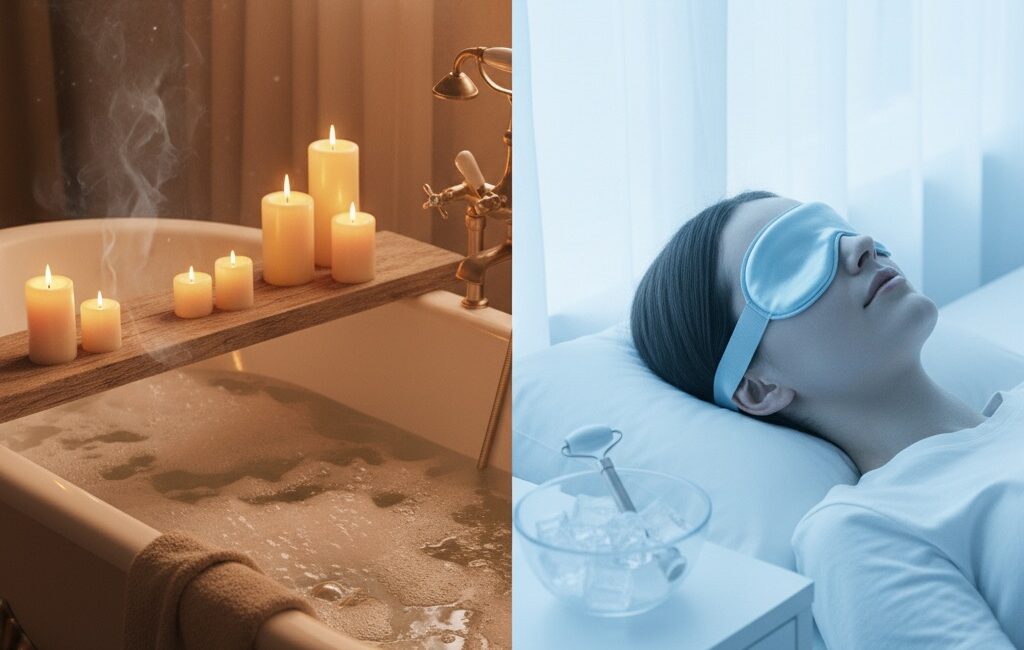
Warm bath or shower
Heating pad or hot water bottle
Warm foot soak
Infrared sauna or steam
Electric blanket (with safety timer)
How heat supports sleep:
Relaxes muscles and relieves physical tension
Increases circulation, supporting melatonin release
Lowers stress levels, especially with calming rituals like a bath
May reduce pain or discomfort that can interrupt sleep (e.g. back pain)
A warm bath 60–90 minutes before bed can help the body cool down afterward — a natural trigger for sleepiness.
Benefits of cold therapy before bed
Cold therapy is more stimulating — but used carefully, it can also promote sleep by reducing inflammation, calming anxiety, and helping your body rebound into rest mode.
Common methods:
Brief cold shower (1–2 mins)
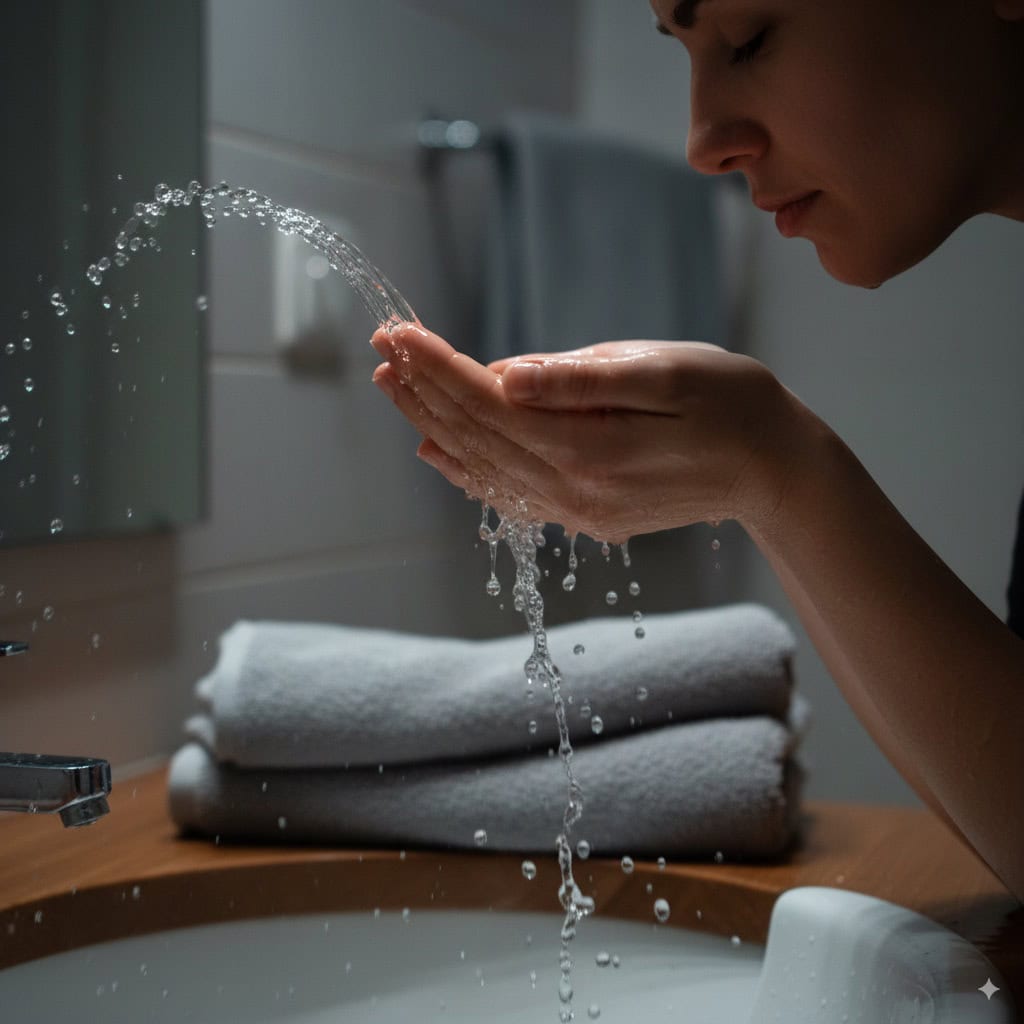
Cold face rinse
Ice pack on neck or feet
Cryotherapy (for experienced users)
Cool room temperature (60–67°F / 15–19°C)
How cold helps sleep:
Reduces inflammation and swelling, especially after long days
Helps lower core body temperature, triggering sleep mode
May calm overactive thoughts by shocking the system slightly, then relaxing afterward
Stimulates parasympathetic nervous system (rest-and-digest response)
Tip: Cold therapy is not ideal for everyone right before bed. Test what works best for your body, and avoid overdoing it.
When to use each therapy
| Goal | Use hot therapy | Use cold therapy |
|---|---|---|
| Muscle relaxation | + | – |
| Stress & tension | + | + (mildly) |
| Inflammation or soreness | – | + |
| Trouble falling asleep | + | + (if calming) |
| Feeling wired at night | + | – |
| Night sweats or overheating | – | + |

How to build it into your routine
You don’t need an ice bath or infrared sauna to benefit. Here are simple ways to try each method at home:
Hot therapy routine:
Take a warm shower or bath 60–90 minutes before bed
Apply a heat pack to your shoulders or back while reading
Use a warm foot soak while listening to calming music
Sip warm herbal tea in a cozy robe afterward
Cold therapy routine:
Rinse your face with cool water before brushing your teeth
Use a cold pack behind your neck for 1–2 minutes
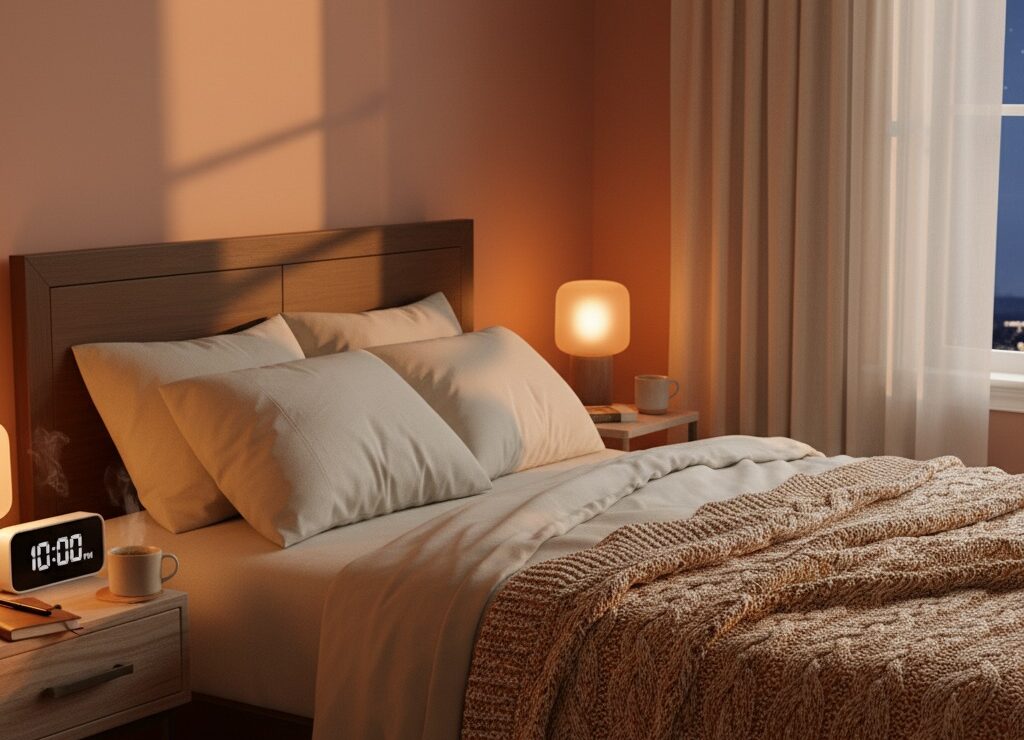
Turn your thermostat down to 65°F (18°C)
If you’re feeling anxious, try a 30-second cold rinse in the shower
Make sure you end with something comforting, like deep breathing or wrapping up in a warm blanket — contrast helps.
When to be cautious
While hot and cold therapies are generally safe, some people should be careful:
If you have circulatory issues, nerve damage, or heart conditions
If you’re pregnant, consult your doctor before using temperature-based methods
Avoid prolonged exposure to either extreme (burns, chills, etc.)
Don’t use hot or cold therapies on broken or irritated skin
Final thoughts
Both heat and cold can be powerful tools for improving your sleep — when used with intention.
Hot therapy is soothing and grounding, ideal for winding down and releasing the day. Cold therapy, used gently, can calm the nervous system and reduce physical stress.
The key is listening to your body. Start small. Experiment with timing and intensity. And always follow up with something that feels comforting and safe.
Sleep isn’t just about habits — it’s also about how your body feels. And a shift in temperature might be the cue your mind has been waiting for.