Introduction: when machines start helping us sleep.
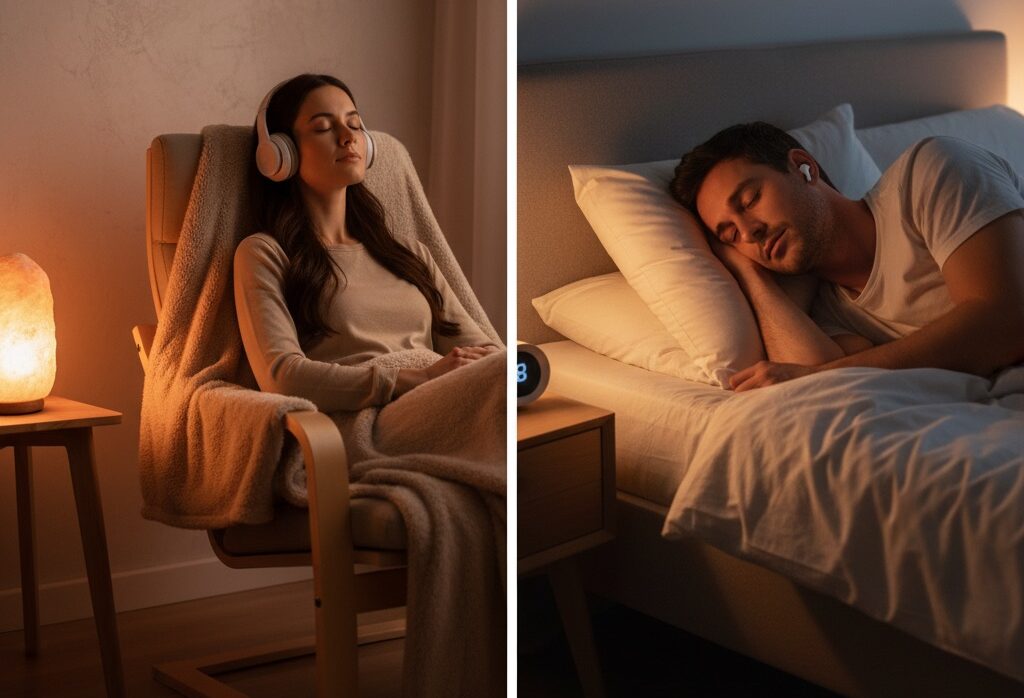
In the past, sleep was a mysterious, private part of life—something we did, not something we understood. But as wearable devices, smart home systems, and artificial intelligence (AI) have entered our bedrooms, a quiet revolution has begun. Now we can discover how ai and sleep could be interconnected.
Sleep is no longer just a passive experience. It’s being measured, tracked, optimized—and now, even predicted.
AI is changing how we understand rest. From personalized insights into your sleep patterns to smart bedrooms that adjust lighting, temperature, and noise levels in real time, the role of artificial intelligence in sleep wellness is expanding fast, so ai and sleep is a new direction to follow.
But what does this mean for you? Can these technologies really help you sleep better—or do they risk turning rest into yet another thing to “manage”?
Let’s explore the rise of AI and sleep, the benefits, the concerns, and how to make it work for, not against, your natural rhythms.
The evolution of sleep tech: from wearables to intelligent ecosystems
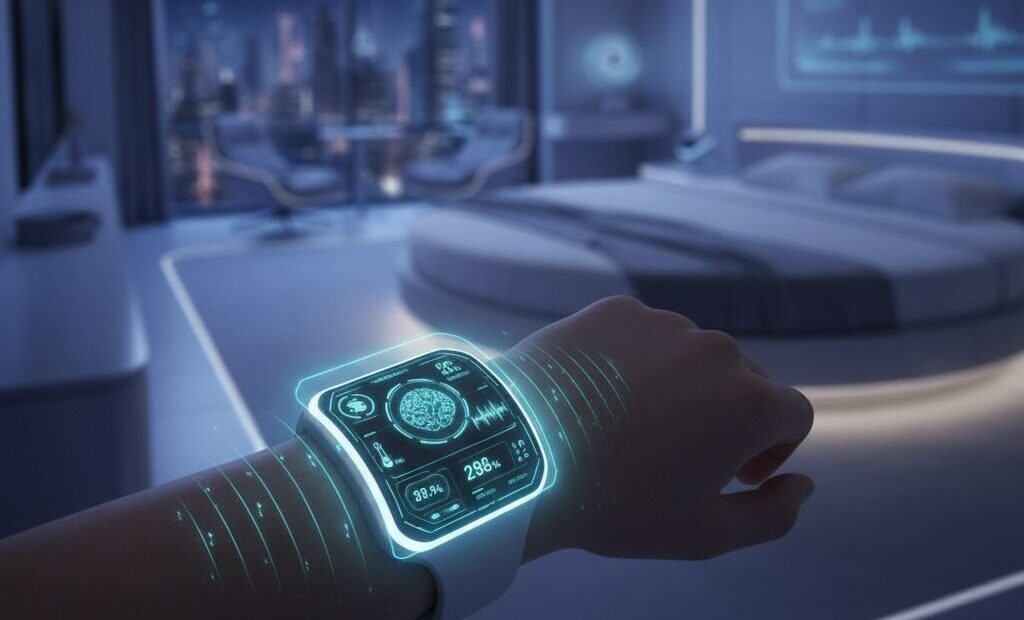
The journey began with simple wearables. First came step counters and basic sleep timers in fitness bands. Then came more advanced features—heart rate variability, body temperature, REM cycle estimates, and “sleep scores” all became part of the nightly feedback loop.
But AI is pushing this evolution further. Instead of just tracking, these systems now respond. Your bedroom becomes an ecosystem—one that adapts and optimizes conditions in real time.
Key examples of evolving AI-powered sleep tech:
Oura Ring: Tracks biometrics like skin temperature, HRV, and movement to deliver personalized readiness and sleep scores.
Eight Sleep Pod: Uses AI to adjust mattress temperature throughout the night based on sleep stage.
Sleep Number 360 Smart Bed: Automatically adapts firmness and support levels to each sleeper’s position and pressure points.
Hatch Restore 2: Combines light, sound, and routine programming for pre-sleep relaxation with machine learning.
What sets these devices apart is not just the data collection, but the adaptive algorithms—AI that learns from your habits and helps build a better sleep environment without constant manual input.
Personalized sleep prediction: when your bed knows what you need
One of the most exciting—and sometimes controversial—aspects of AI and sleep is prediction.
AI and sleep systems use machine learning models trained on large datasets of biological, behavioral, and environmental inputs to estimate:
When you’re likely to fall asleep
How long you’ll stay asleep
When your body will enter different stages of sleep
What might disrupt your rest (like temperature spikes or stress markers)
This kind of personalized prediction goes far beyond the classic advice to “get 8 hours.” It recognizes that your body is unique, and that your ideal rest might depend on your stress level, travel schedule, diet, hormones, or previous night’s sleep.
How it works (simplified):
Collect data: Wearables or embedded sensors gather real-time information (e.g., heart rate, respiration, movement).
Analyze patterns: AI identifies correlations over days and weeks.
Make predictions: The system forecasts how today’s behavior will affect tonight’s sleep.
Give guidance: You might receive recommendations like:
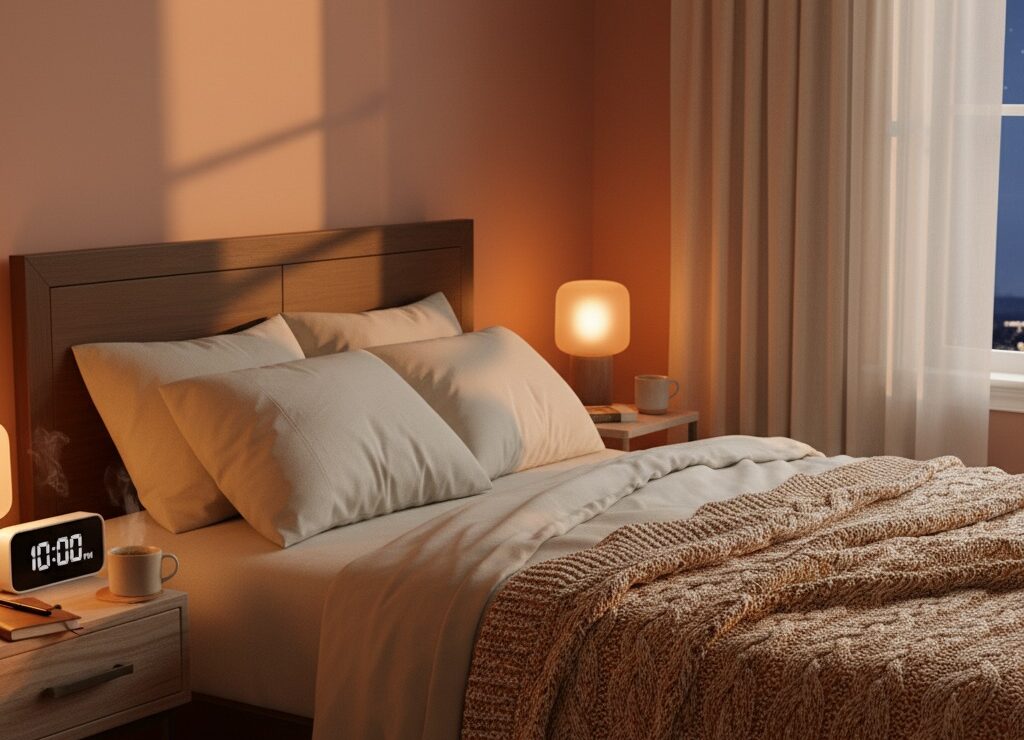
“Based on your elevated heart rate and late caffeine intake, aim for a 10:30 PM bedtime with lower room temperature tonight.”
“Try going to bed 20 minutes earlier tonight; your REM cycles were shortened last night.”
This is adaptive guidance—it’s built around you, not generic averages.
And for people with irregular schedules, hormonal shifts, or insomnia struggles, this can feel incredibly supportive—like having a coach who watches, learns, and guides you toward better sleep.
Smart environments: AI-powered bedrooms that respond in real time
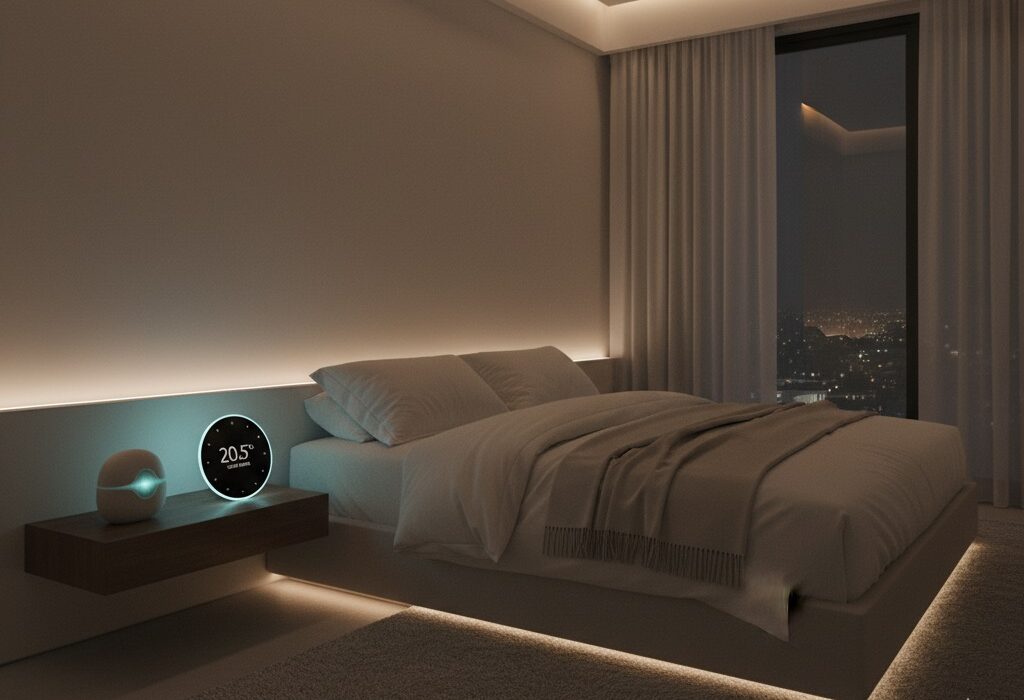
Imagine entering your bedroom and feeling the lights dim softly, the temperature drop slightly, and your favorite sleep soundscape fade in—without lifting a finger.
This isn’t sci-fi. AI is already making these smart environments real.
Core components of an adaptive sleep environment:
Temperature control: AI thermostats and smart mattresses adjust in real time based on your sleep stage (e.g., cooler during deep sleep).
Lighting systems: Smart lights shift spectrum and brightness—warmer hues before bed, natural light simulation at wake-up.
Sound management: White noise, pink noise, or calming soundscapes adjust to external noise disruptions.
Air quality monitors: Detect CO₂ levels or allergens and trigger ventilation or purifiers if needed.
Some homes even integrate aromatherapy diffusers that can be triggered as part of a wind-down routine, using lavender or eucalyptus oils to cue relaxation.
And because AI learns your routines over time, it begins to automate what used to require dozens of decisions. You don’t have to think—your bedroom becomes a responsive space, tuned to your sleep needs.
Benefits of AI-powered sleep optimization
So, why are so many people turning to AI to improve their sleep? One key reason: personalization.
Instead of offering generic sleep tips like “go to bed earlier” or “limit screen time,” AI systems learn your habits, biology, and lifestyle to provide guidance that actually fits. It’s the difference between guessing and knowing.
1. Precision over trial and error
Before smart tech, improving sleep was often a game of guesswork. You’d try a new pillow, adjust your routine, or cut out coffee—but results were inconsistent.
AI removes much of that uncertainty. By continuously collecting data and finding patterns, it gives feedback that evolves with your life. It might tell you:
-
“You sleep better after 20 minutes of stretching.”
-
“Your HRV dips every Tuesday after intense workouts.”
-
“Waking at 7:30 AM results in deeper sleep cycles than 6:30 AM.”
The insights are dynamic, not static.
2. Reduced decision fatigue
From lighting and sound to temperature and timing, AI can automate sleep-related decisions so you don’t have to. This creates a more effortless bedtime routine—one where your environment adapts on its own, supporting consistency and calm.
It also reinforces good habits without relying on discipline. If your bedroom becomes your sleep coach, you’re more likely to stay on track.
3. Support for people with complex needs
For shift workers, people with ADHD or anxiety, perimenopausal women, or anyone navigating sleep disorders, one-size-fits-all sleep advice falls short.
AI and sleep tech can adapt to irregular rhythms, hormonal fluctuations, or even noisy neighbors—offering a layer of personalized support many users never experienced before.
Risks and concerns: when technology disrupts rest
Of course, no innovation is without trade-offs. As helpful as AI and sleep systems can be, they also raise important concerns—both personal and societal.
1. Data privacy and trust
To personalize sleep, AI needs data. A lot of it.
This raises red flags around:
-
Who owns your sleep data?
-
Can third parties (like insurers or advertisers) access it?
-
What happens if your account is hacked?
Some companies are transparent about data usage and offer privacy controls. Others… less so. Before using any device, it’s wise to:
-
Read the privacy policy (yes, really)
-
Opt out of data sharing where possible
-
Avoid platforms that sell user data
Remember: your sleep is deeply personal. Don’t trade that for convenience.
2. Over-reliance on tracking
As we explored in our article on orthosomnia, tracking sleep can sometimes create anxiety, not relieve it.
When we focus too much on scores, graphs, and optimization, we risk turning rest into a performance. Some users become anxious if they forget to wear their device, or feel bad about a “low score” even if they felt okay.
Balance is key. Data should inform—not dictate—your experience.
3. Tech fatigue and screen overload
Ironically, many AI-powered sleep tools live inside the very devices that keep us awake—phones, watches, smart displays.
If your “sleep assistant” requires nightly screen time, it may do more harm than good.
That’s why hardware-based systems (like mattress pads or ambient sensors) are often better for sleep hygiene than phone apps.
The future of AI and sleep: what’s coming next?
Sleep tech is moving fast. What we see today is just the beginning.
1. Emotion-aware systems
Future sleep environments may use emotion-sensing AI—detecting mood through facial expression, voice tone, or physiological data to adjust your bedroom accordingly.
Imagine:
-
Softening lights and playing calming music when anxiety is detected
-
Suggesting earlier wind-down time on stressful days
-
Changing color tones based on circadian cues
2. AI sleep therapists
Some companies are already testing AI-guided CBT-I tools—digital therapists that help users manage insomnia using proven psychological methods.
Combined with biometric feedback, these tools could provide personalized guidance without requiring human intervention.
3. Integration with full wellness platforms
In the future, sleep may become one node in a larger AI wellness ecosystem. Sleep data might integrate with:
-
Nutrition trackers
-
Mental health apps
-
Movement and exercise programs
The result: fully coordinated daily routines designed to optimize not just sleep, but overall well-being.
Making AI and sleep work for your, not against each other
Here’s the truth: you don’t need to fear sleep technology. But you do need to be intentional.
Let the AI assist you, not control you.
Let data guide your awareness, not dictate your mood.
If you decide to explore AI tools for sleep:
-
Start small: Try one device or app. Track results for a few weeks.
-
Notice how you feel: Are you sleeping better and feeling better?
-
Set limits: Avoid checking data right before bed. Make room for rest, not analysis.
-
Trust your body: Sleep is a human instinct. Tech can help, but you already have what you need.
Final thoughts: when sleep meets intelligence
The promise of AI isn’t to make us sleep like machines. It’s to help us rest more like humans—naturally, deeply, and in tune with our lives.
By learning from our rhythms and supporting our needs, intelligent systems can help reduce friction, enhance calm, and give us one less thing to worry about at night.
But real rest begins with trust—in your habits, your space, and your body.
So whether your bedroom is fully smart or beautifully simple, the goal is the same: to sleep well, live well, and wake up clear.
One peaceful night at a time.
Read also: