For centuries, humans naturally woke with the sun. Our bodies evolved to align with daylight — rising when the light appeared and resting when darkness returned. But modern life has flipped that rhythm. Artificial lighting, screens, and long indoor hours keep us away from the natural light cues that regulate our biological clocks. As a result, many of us feel constantly tired, sluggish in the mornings, and restless at night.
Morning light therapy is one of the simplest, most natural ways to restore balance. It helps synchronize your internal clock, lift your mood, and prepare your body for restful sleep at night — all by using one powerful cue: light.
The science of light and sleep
Light is the main signal that sets your circadian rhythm — your body’s 24-hour internal clock that controls when you feel alert or sleepy. When light enters your eyes, it reaches a small area in the brain called the suprachiasmatic nucleus (SCN). This region acts like a conductor, telling the rest of your body when it’s time to wake up or wind down.
In the morning, bright light tells your SCN to lower melatonin (the sleep hormone) and increase cortisol (the alertness hormone). This natural switch wakes you up, boosts focus, and starts your day. In the evening, as light fades, melatonin production increases, preparing your body for sleep.
However, if your mornings lack bright light exposure, your circadian rhythm can drift — leading to trouble falling asleep, waking up too early or too late, and feeling mentally foggy during the day. Morning light acts as a reset button, helping your body recalibrate to the natural rhythm it craves.
What is morning light therapy?
Morning light therapy is a simple practice that uses bright light — either natural sunlight or artificial sources — to mimic the energy and intensity of morning daylight. It’s often used to treat sleep disorders, seasonal affective disorder (SAD), jet lag, and circadian rhythm misalignment.
There are two main ways to do it:
Natural sunlight exposure — spending time outside shortly after waking, ideally within the first hour.
Light therapy lamps or sunrise devices — using specially designed lamps that emit 10,000 lux of bright white light, replicating natural daylight indoors.
People who work indoors, live in darker climates, or have inconsistent sleep schedules can benefit the most from this therapy. It’s also helpful for those who feel groggy in the mornings, have trouble sleeping at night, or struggle with low energy during the winter months.
Modern tools such as Hatch Restore, Loftie Lamp, or Casper Glow Light have made this routine easy to integrate — gently waking you with simulated sunrise light or providing a portable light source that fits into your morning routine.
How morning light resets your sleep cycle
When you expose your eyes to morning light, even for a few minutes, your brain begins to adjust its internal timing. The light signals the SCN to suppress melatonin and trigger the release of serotonin, the neurotransmitter responsible for mood, energy, and focus. Later in the day, your body converts serotonin into melatonin, creating a natural sleep-promoting cycle.
That’s why experts recommend getting light exposure within 30 to 60 minutes after waking. This timing helps set your body’s “circadian anchor” — a consistent point of reference for your sleep-wake rhythm.
Key elements of effective morning light exposure
Timing: Early morning is best, ideally between 6:00–9:00 a.m.
Duration: Aim for at least 10–30 minutes of bright light exposure.
Intensity: Outdoor sunlight provides 10,000–30,000 lux; indoor lamps should offer around 10,000 lux.
Consistency: Do it daily for lasting effects — even 5–10 minutes can help if done regularly.
If you live in an area with long, dark winters, a light therapy box can be especially useful. Just sit near it while having breakfast, journaling, or reading — no need to stare directly at it.
How to practice morning light therapy at home
You don’t need expensive equipment to benefit from light exposure — small, consistent habits make the difference.
Start your day near sunlight:
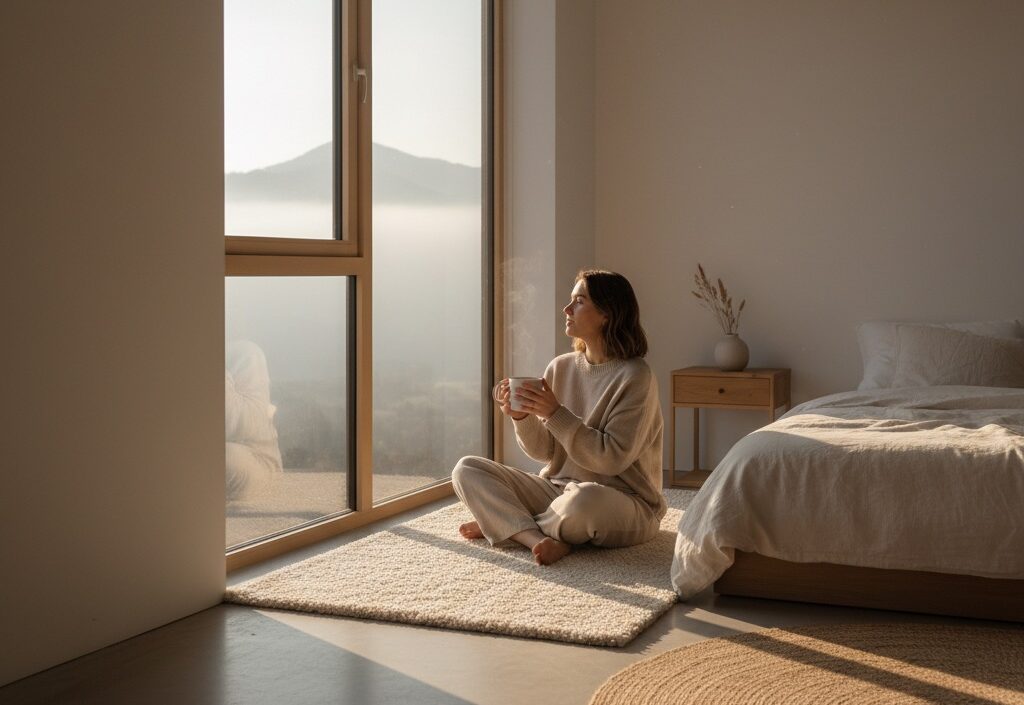
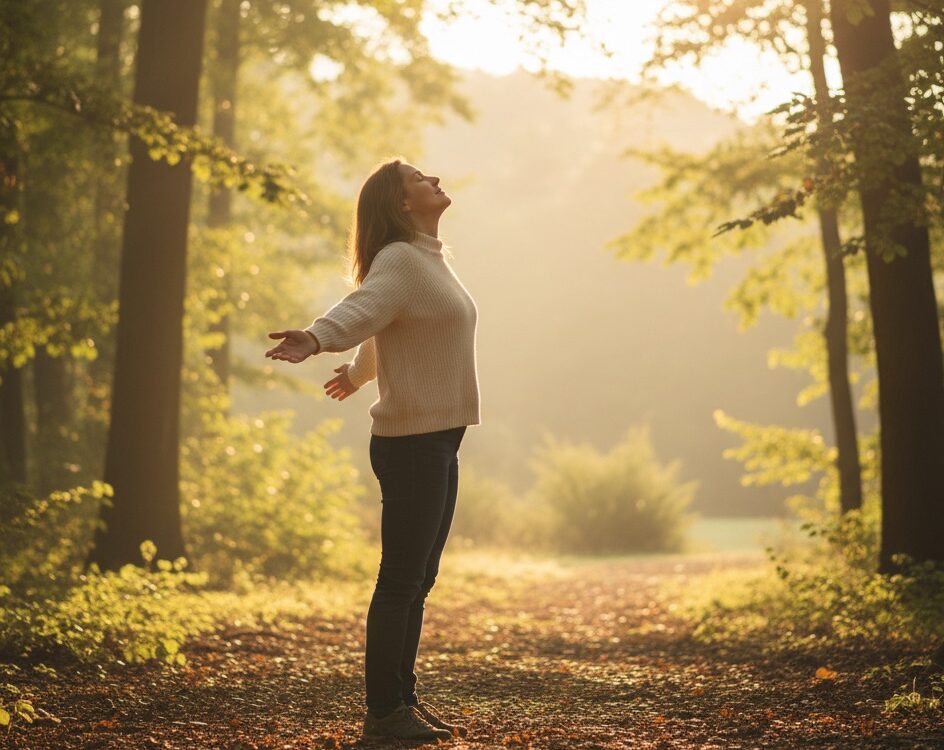
As soon as you wake up, open your curtains, or better yet, step outside. Have your coffee or tea on a balcony, walk your dog, or take a short stroll around the block. Natural light exposure through the eyes (not just the skin) triggers your circadian system.
If you can’t go outside:
Use a light therapy lamp on your desk or breakfast table. Look for devices labeled as “10,000 lux,” and position them about 16–24 inches from your face. Many people find that 20 minutes of use while reading or checking emails is enough.
Integrate light into your morning routine:
You can combine morning light with other energizing habits — gentle stretching, journaling, or gratitude practice. Pairing these activities creates a positive ritual that not only supports your sleep but also your mental clarity and emotional balance.
Bonus tip: Try a “sunrise alarm clock” that gradually increases light intensity before your set wake-up time. It helps your body transition gently out of sleep and reduces morning grogginess.
Common mistakes people make with morning light therapy
Even though morning light therapy is simple, many people make small mistakes that reduce its effectiveness. Here are the most common ones — and how to fix them.
1. Using the light too late in the day
Morning light works because it helps your brain understand that “daytime” has started. If you wait until noon or afternoon, you lose that natural reset effect. Exposure to bright light too late can even delay melatonin production, making it harder to fall asleep that night.
Fix: Get your light within the first hour after waking up, even if it’s cloudy or wintertime.
2. Sitting too far from the light source
Light intensity drops sharply with distance. If your lamp is across the room, your eyes may only get a fraction of the needed lux.
Fix: Keep your light box or lamp at about arm’s length (40–60 cm) from your face, and angle it slightly downward toward your eyes.
3. Relying on indoor lighting
Regular indoor lights — even bright ones — are much dimmer than sunlight. Office lighting provides only 300–500 lux, while sunlight gives tens of thousands.
Fix: If possible, open windows, move closer to natural light, or use a verified 10,000-lux therapy lamp.
4. Skipping it on weekends
Your circadian rhythm loves consistency. Skipping morning light sessions, even for a day or two, can throw off your internal timing.
Fix: Keep your routine as steady as possible — even 10 minutes of light exposure on weekends makes a difference.
The mental and emotional benefits of morning light
Morning light doesn’t just affect sleep — it deeply influences mood, energy, and emotional balance throughout the day.
Studies show that bright light exposure early in the day increases serotonin levels, which improve mood and focus. It also reduces the risk of seasonal affective disorder (SAD) — the “winter blues” that many people experience when daylight hours shrink.
You might notice subtle but powerful shifts:
You feel less groggy in the morning.
Your motivation increases without needing as much caffeine.
You fall asleep faster and wake up refreshed.
You experience fewer mood dips in the afternoon.
Morning light is often described as a natural antidepressant — it lifts mood without the side effects of medication. Regular exposure can also help regulate appetite, improve concentration, and stabilize energy levels.
Light and the future of sleep technology
Sleep-focused technology is evolving quickly — and light plays a central role. Many smart home devices now include adaptive lighting systems that mimic the natural rise and fall of daylight. These systems adjust color temperature and brightness throughout the day, helping your body stay in sync with its circadian rhythm.
Examples include:
Philips Hue Smart Lighting: can simulate sunrise and sunset transitions.
Casper Glow Light: promotes relaxation at night and a natural wake-up effect in the morning.
Hatch Restore 2: combines light, sound, and guided routines for sleep and wake-up.
Some devices also integrate with sleep tracking apps, adjusting lighting based on your sleep stages or wake time. The result? A personalized, gentle rhythm of light that supports better rest without forcing rigid habits.
Future developments in this area will likely include AI-driven adaptive light environments, automatically optimizing exposure to match individual sleep cycles and even seasonal patterns.
Morning light and your body clock: the long-term impact
When practiced regularly, morning light exposure can transform not just your nights — but your entire daily rhythm. You might notice that:
Your sleep schedule stabilizes — no more waking up too early or struggling to fall asleep.
You feel more alert and focused in the morning.
You experience deeper, more restorative sleep at night.
Your energy levels stay more balanced throughout the day.
This happens because light gradually retrains your biological clock. Over time, your body anticipates sleep and wake-up times more naturally, leading to a smoother rhythm that doesn’t rely on alarms or stimulants.
For those dealing with insomnia, jet lag, or shift work, morning light exposure can be life-changing. It’s a non-invasive, drug-free way to restore balance — often more effective than supplements or over-the-counter sleep aids.
How to combine morning light therapy with other healthy habits
Morning light therapy works best when integrated into a broader routine that supports your circadian health.
Here’s how you can pair it with other simple habits:
Move your body early:
Do light stretching or a short walk while getting sunlight. Exercise amplifies the alertness effect of light and boosts endorphins.
Eat breakfast by a window:
Having your first meal near natural light helps your digestive and hormonal systems align with daytime rhythms.
Avoid screens immediately after waking:
Checking your phone in the dark floods your brain with blue light at the wrong time and increases stress. Let natural light be your first signal instead.
Dim your lights at night:
To complement morning light exposure, reduce brightness in the evening. Use warm-toned lighting or candles after sunset to encourage melatonin production.
Get outdoor breaks:
Even brief outdoor exposure during the day keeps your circadian system stable, helping you fall asleep easier at night.
Final thoughts: morning light as a gentle reset
Morning light therapy isn’t about adding one more chore to your day — it’s about returning to something natural. Your body was designed to wake with the sun and rest with the dark. By simply reconnecting with that rhythm, you can improve not just your sleep, but also your clarity, mood, and overall sense of balance.
So tomorrow morning, instead of scrolling your phone in bed, open the blinds. Step outside. Let the first light of the day touch your eyes.
It’s a small, quiet act — but one that tells your body, “It’s time to wake up. The day has begun.”
And by nightfall, you’ll feel the difference.
Read also: