In the world of sleep accessories, trends rise quickly — cooling pillows, weighted blankets, herbal diffusers, blue-light glasses, and dozens of new gadgets promising deeper rest. But recently, a new device has captured the spotlight: infrared sleep masks.
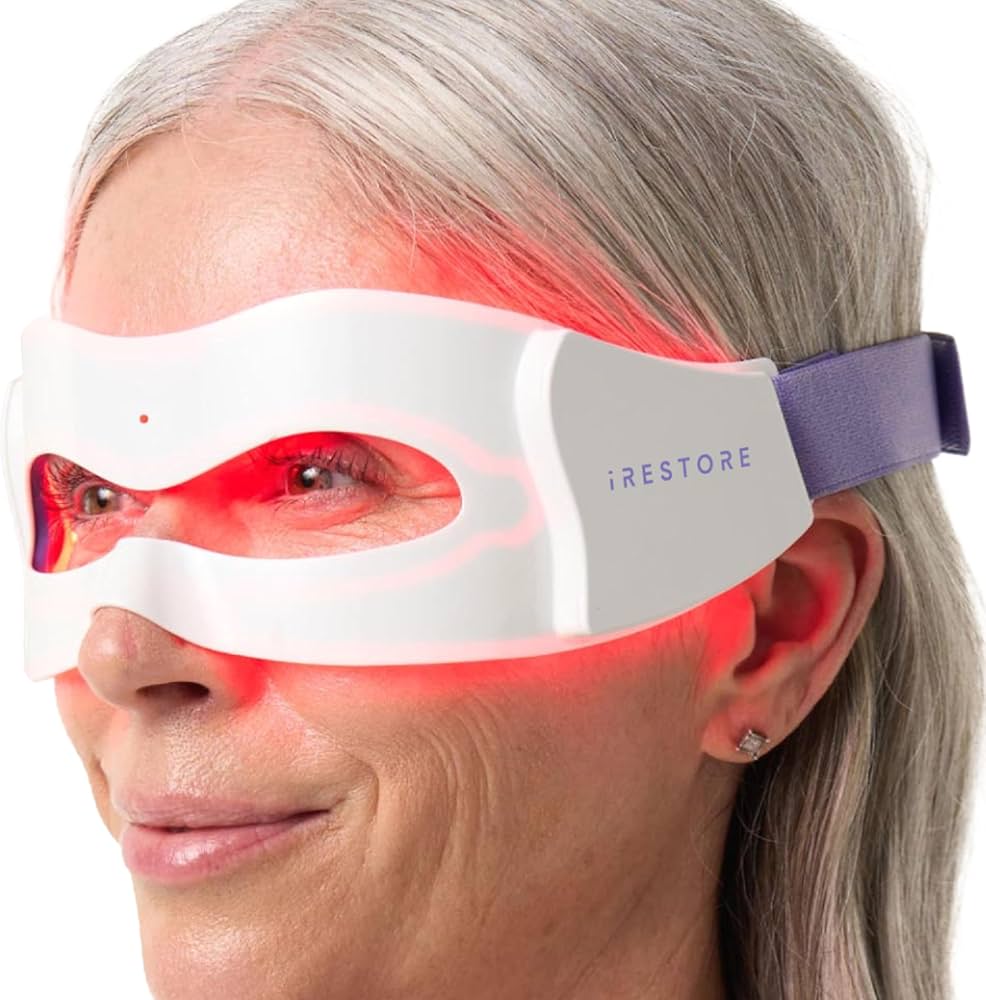
At first glance, they look like regular sleep masks. Yet inside, there’s a built-in source of gentle heat — warmth created by far-infrared (FIR) wavelengths that you can’t see but can feel as soft, soothing comfort. According to manufacturers, infrared masks can ease tension, improve circulation, reduce eye strain, relieve headaches, and help the mind settle before bed.
It sounds impressive. But the big question remains: is this a true benefit or just a wellness trend wrapped in attractive marketing?
Infrared masks are gaining popularity among people who want a relaxing pre-sleep ritual, especially those who spend long hours in front of screens. Still, it’s important to separate scientific reality from wellness hype. FIR warmth is not a medical treatment — but it may offer genuine relaxation effects that support better sleep readiness.
This article explores how infrared sleep masks work, what benefits are realistic, what the science actually says, and who may find them genuinely helpful. We will also look at their safety and offer guidance on what to consider when choosing a mask.
What is infrared therapy? A simple explanation
Infrared light is part of the electromagnetic spectrum — a form of heat you can feel but cannot see. You experience FIR every day in natural ways: from sunlight, warm surfaces, or a soft heater on a cool morning.
Infrared sleep masks usually use far-infrared (FIR) wavelengths, known for their gentle and surface-level warming effect.
According to the Cleveland Clinic’s overview of infrared therapy, FIR can:
support light improvements in local circulation,
relax surface-level muscles,
ease tension,
promote a general sense of warmth and comfort.
These effects aren’t strong enough to be interpreted as treatment, but they are meaningful in one important area: relaxation. And relaxation is one of the biggest predictors of how easily you transition into sleep.
When used in a sleep mask, infrared warmth becomes localized around the eyes, temples, and forehead — areas that often hold a significant amount of stress and facial tension.
How infrared sleep masks differ from regular masks
Regular sleep masks have one purpose: block light.
Infrared masks do something more: they create consistent, gentle heat across the upper face.
Common features of infrared sleep masks include:
FIR heating panels that warm the mask to 40–50°C (depending on the model)
Even heat distribution around the eyes and temples
Adjustable heat levels for sensitivity and preference
Built-in timers for automatic shutoff
A slightly weighted design that provides comforting pressure
Importantly, infrared masks do not influence sleep stages, brain waves, or REM cycles. Their effect is sensory, not neurological. The benefit comes from easing tension and enhancing comfort — a practical and grounded way to prepare the body for rest.
Potential benefits: what’s hype and what’s real
Infrared mask brands often make bold promises: deeper sleep, reduced headaches, better blood flow, improved mood, less stress, even “anti-aging effects.”
Let’s break this down into realistic expectations.
1. Tension relief around the eyes and forehead
FIR warmth helps muscles relax, especially in areas affected by screen time, facial micro-tension, and daily stress. When these muscles soften, a sense of comfort follows naturally.
This may reduce:
heaviness behind the eyes,
tightness around the temples,
general facial strain at the end of the day.
2. Relief from screen-related fatigue
Infrared masks work well as an evening wind-down ritual. The warmth functions similarly to a warm compress, helping your nervous system shift from “task mode” to “rest mode.”
This benefits people who struggle to “switch off” after long hours at a computer or phone.
3. Light improvement in circulation
FIR gently widens capillaries and supports microcirculation. This can ease pressure and promote a soothing sensation, especially if you experience end-of-day tightness in the forehead or eye area.
4. A comforting pre-sleep routine
One of the most underrated aspects of better sleep is predictability. If you associate your infrared mask with winding down, your body may learn to relax more quickly.
In other words, the mask might not “make you sleep better” — but it can help you get into the right state for sleep.
What the science actually says
While studies specifically on “infrared sleep masks” are limited, the broader research on FIR therapy is useful and relevant.
Here’s what the data shows:
Cleveland Clinic reports that FIR can support mild pain relief, tension reduction, and improved blood flow — but emphasizes it is not a medical therapy.
Sleep Foundation’s article on temperature and sleep explains that gentle heat before bedtime may support relaxation and comfort.
Harvard Health’s research on light exposure shows how reducing evening light exposure helps the brain prepare for sleep — and an eye mask naturally supports this.
Science supports individual components of the infrared mask experience — warmth, darkness, comfort — even if it does not claim that FIR directly changes sleep architecture.
So the evidence points to this:
infrared sleep masks may improve relaxation and reduce tension, which can indirectly support better sleep quality.
That is a realistic and grounded benefit.
Are infrared sleep masks safe?
For most people, infrared masks are considered safe when used correctly.
They operate at moderate temperatures and include automatic timers to prevent overheating.
Safety guidelines include:
Do not use the mask if the heat feels too intense or uncomfortable.
Avoid using it on broken, irritated, or sensitive skin.
Do not sleep with the mask on all night — it is intended for pre-sleep relaxation.
Choose products from reputable brands with clear heating-element safety testing.
If you’re heat-sensitive or prone to migraines triggered by warmth, use with caution.
For many users, infrared masks are simply a soothing thermal accessory designed to improve comfort before sleep — nothing risky, nothing extreme.

Who may benefit the most
While infrared sleep masks are not a medical tool, they can offer meaningful comfort to certain groups of people. Based on the relaxation effects of gentle FIR heat, these masks may be especially supportive for:
People with tension headaches or facial tightness
If you carry stress in your forehead, jaw, or around the eyes — a very common pattern for those who spend long hours at screens — FIR warmth can help release that tension. The heat softens micro-muscles and encourages relaxation, making the mask a simple way to unwind after a demanding day.
Those with screen-related eye fatigue
Soft heat around the eyes can relieve the dull ache that comes from digital strain. Many users report that an infrared mask feels like a warm compress but more convenient and consistent.
People with high evening stress levels
For many individuals, the transition from active daytime mode to evening calm can be difficult. The gentle pressure, warmth, and darkness of an infrared mask can function as a grounding ritual that nudges the body into a slower rhythm.
Anyone who enjoys sensory-based relaxation
If you’re someone who relaxes through touch, heat, or soothing physical sensations — weighted blankets, warm baths, soft textures — an infrared mask can become a comforting addition to your wind-down routine.
Short naps or pre-sleep routines
These masks work well for short restorative breaks, especially before a meditation session, breathwork, or a 26-minute recharge nap.
Infrared masks won’t solve deep sleep issues on their own — but for many, they support the process of settling down, which is a key part of improving sleep hygiene.
Who should avoid infrared sleep masks
While generally safe, infrared masks are not ideal for everyone. You may want to avoid or limit use if:
You experience migraines triggered by heat
For some people, warmth on the forehead or around the temples can intensify migraine symptoms.
You have rosacea or heat-sensitive skin
The additional warmth may cause flushing or irritation.
You struggle with falling asleep when warm
Some people prefer cooler sensations before bed. If warmth makes you restless, an IR mask may not be the right fit.
You tend to fall asleep with gadgets on your face
These masks are not designed for full-night use. The optimal use is short sessions — 10 to 20 minutes — during relaxation, not during sleep.
You have an eye condition and your doctor recommends avoiding heat
Always follow professional medical advice regarding eye health.
Infrared masks are a supportive accessory, not an essential sleep device. Listening to your body’s response is the most important factor in determining whether it suits you.
How to choose a high-quality infrared sleep mask
If you decide to try an infrared mask, choosing the right model is essential for comfort and safety. Here are the features worth prioritizing:
1. Safe, even heating
Look for masks with:
uniform FIR panels,
heat protection layers,
temperatures between 38–50°C,
overheat protection.
Extreme heat is unnecessary and counterproductive.
2. Timer and automatic shutoff
A 10–20 minute timer ensures you don’t accidentally use the mask too long. Auto-shutoff is a must-have safety feature.
3. Adjustable temperature settings
Everyone’s heat sensitivity is different. Choose models with at least 3 heat levels for flexibility.
4. Comfortable materials
Soft padding, breathable fabric, and a contour that fits your face without pressing on the eyes make the experience far more enjoyable.
5. Weight that feels grounding, not heavy
A slightly weighted design can create calming pressure — but avoid very heavy masks that feel restrictive.
6. Washable or removable cover
Hygiene matters. A removable textile cover makes maintenance easy.
7. Reputable manufacturing
Look for products with:
clear technical specifications,
transparent safety testing,
reviews that mention comfort and durability rather than extreme “miracle effects.”
Avoid masks that make unrealistic claims like “cures insomnia,” “boosts REM sleep,” or “detoxifies tissues.” A quality IR mask should be marketed as a relaxation aid, not a medical treatment.
How to use an infrared sleep mask effectively
Infrared masks are most beneficial when used intentionally — as part of a calming pre-sleep or relaxation practice.
Here’s a gentle routine similar to those recommended in our article Deep breathing for better sleep: a simple nighttime technique:
Step 1: Set the atmosphere
Dim the lights, silence notifications, and make your space quiet. Soft background sounds work well too.
Step 2: Adjust the heat
Start with the lowest setting and increase only if comfortable. Warmth should feel soothing, never hot.
Step 3: Use for 10–20 minutes
This window provides enough relaxation without overstimulation or overheating.
Step 4: Pair with breathing or stillness
Slow, steady breathing enhances the calming effect of the warmth.
Step 5: Remove the mask before sleep
Infrared masks are not designed for overnight use. After removing it, you may find your mind quieter and your body more receptive to sleep.
This short ritual can significantly improve your transition into rest — even if the mask itself doesn’t directly “improve sleep quality.”
A realistic verdict: trend or true benefit?
Infrared sleep masks sit somewhere between wellness trend and genuinely helpful accessory. They aren’t a medical device, and they won’t transform your sleep cycles. But they can support the experience of bedtime in meaningful ways.
What they can do:
soothe tired muscles around the eyes
support light circulation improvements
relieve screen-related tension
help the nervous system relax
make your evening routine feel more grounding
block light, which supports melatonin release
What they cannot do:
fix chronic insomnia
change sleep stages or increase REM
treat headaches or medical conditions
act as deep therapeutic infrared devices
So are they a trend or a true benefit?
The most honest answer: they are a comfort-based tool that can genuinely enhance your relaxation routine — if your body responds well to gentle heat.
For some, this makes a noticeable difference in how easily they drift toward sleep. For others, it may feel pleasant but not essential. Whether the mask becomes a daily ritual or stays a once-in-a-while luxury depends entirely on how your body interprets warmth and pressure around the eyes.
In a world full of high-tech sleep promises, infrared masks occupy a refreshing middle ground: not magical, not clinical — simply soothing.
If you’re drawn to sensory relaxation, enjoy warm compresses, or often carry tension in your face, this may be a tool worth trying. If not, your wind-down routine can still be perfectly effective without it.
The true benefit lies not in the mask but in the message it sends your body:
slow down, breathe, and allow yourself to rest.