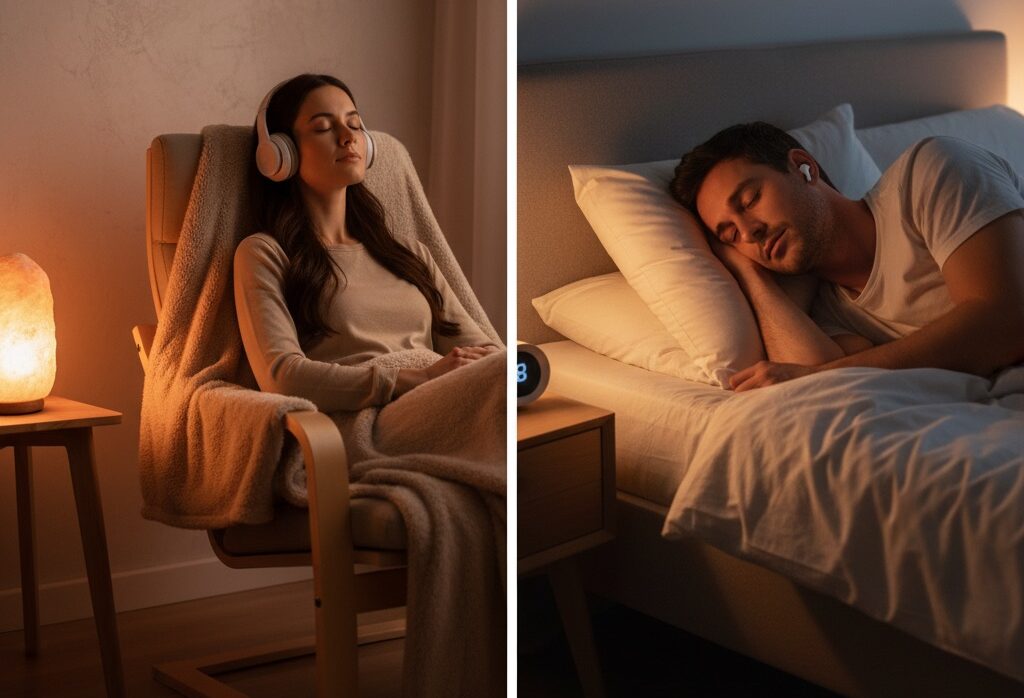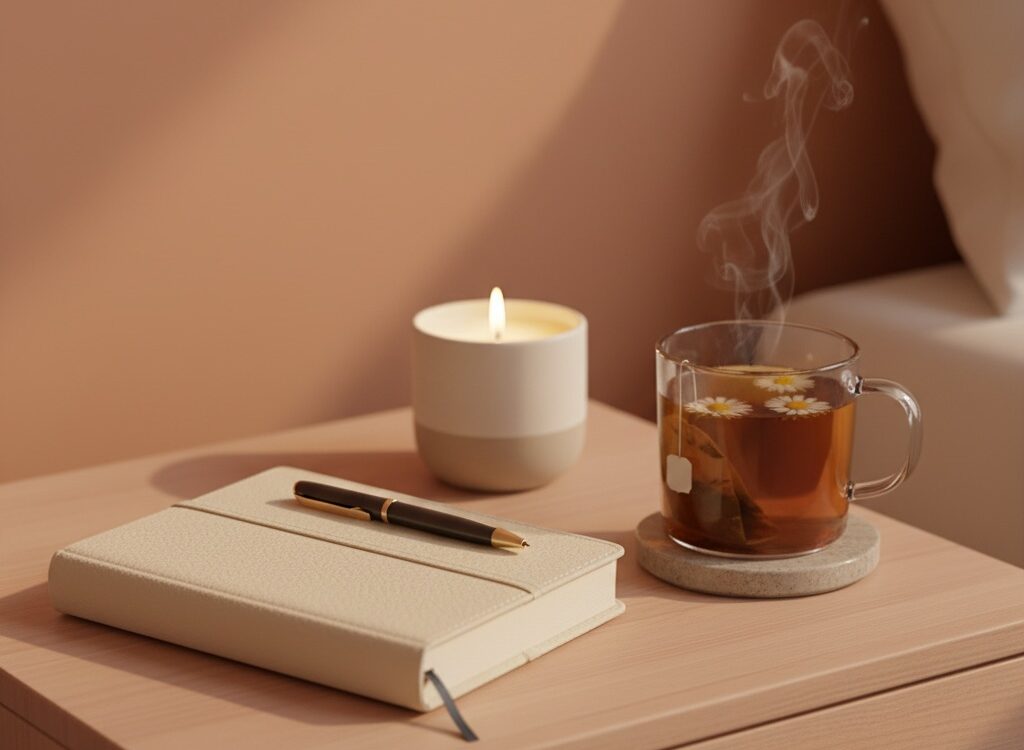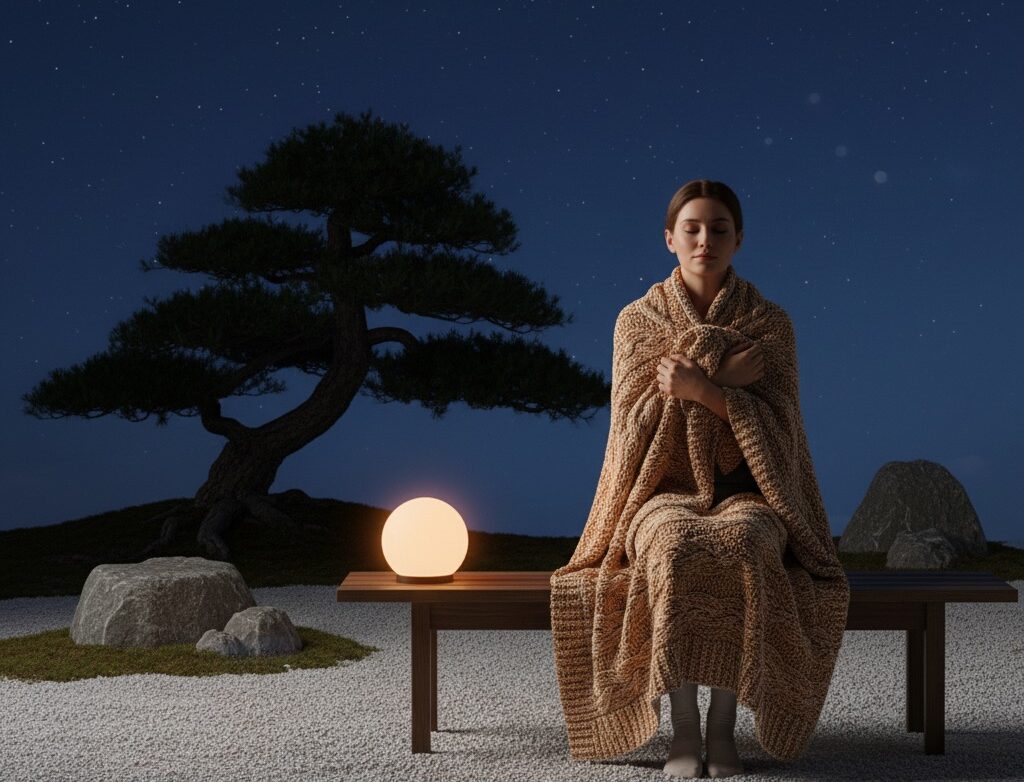
There’s a quiet kind of magic in the things that make us feel safe — the soft weight of a blanket, the scent of freshly washed sheets, the familiar rhythm of a bedtime ritual. Even as adults, many of us instinctively reach for small comforts when we feel overwhelmed. A certain mug, a sweatshirt, or a particular candle can create calm faster than logic ever could.
At first glance, it might seem childish — the grown-up version of a teddy bear. But research shows that comfort items serve as powerful emotional regulators. They act as “external anchors” that help stabilize mood, lower stress, and reestablish a sense of safety.
Psychologists refer to these objects as transitional items — a term that originated with pediatrician and psychoanalyst Donald Winnicott in the 1950s. They were first observed in children, but their influence extends far beyond childhood. As the American Psychological Association notes, transitional objects function as extensions of self-soothing. They provide tactile and sensory reassurance, bridging the space between emotional vulnerability and security.
The science of safety and familiarity
At the core of our attachment to comfort objects lies a biological truth: the brain associates familiarity with safety. When an object consistently appears in moments of calm or care, it becomes encoded as a symbol of safety. Over time, interacting with that object can trigger the same physiological relaxation responses that originally accompanied it.
This process is mediated by the limbic system, the brain’s emotional center. When we touch, smell, or even look at something familiar, the amygdala (which governs fear and threat detection) quiets down. Meanwhile, the hippocampus and hypothalamus signal the body to reduce cortisol and heart rate, initiating a feeling of calm.
It’s the same mechanism that explains why the scent of home can ease travel anxiety or why wrapping yourself in your favorite blanket instantly feels grounding. The mind doesn’t distinguish between the physical comfort of fabric and the emotional comfort of memory — they’re stored and recalled together.
This relationship between sensory cues and emotional stability is further supported by findings in Frontiers in Psychology, which highlight how multi-sensory grounding — combining touch, scent, and temperature — can quickly reduce stress and anxiety by activating parasympathetic (rest-and-digest) responses.
Touch, scent, and memory — the body’s emotional language
Touch and scent are two of the most primal senses, both closely tied to the limbic system. They bypass rational thinking and reach emotion directly. That’s why comfort items so often appeal to texture or smell — they speak the body’s native language.
Touch
Soft textures mimic physical soothing. Weighted blankets, plush fabrics, or a favorite hoodie apply gentle, evenly distributed pressure across the skin. This pressure stimulates deep-touch receptors, which signal to the brain that it’s safe to relax. The effect is similar to being held or hugged — calm without words.
Research on sleep products has shown that textures and materials influence thermal comfort and relaxation. For instance, innovations in temperature-regulating pajamas and bedding, as explored in Sleepwear shifts to temperature-tech: pajamas and bedding that regulate heat, show how physical sensations of comfort play a crucial role in helping the body reach optimal rest states.
Scent
Scent connects directly to the olfactory bulb, which sits next to the brain’s memory and emotion centers. This close proximity explains why a single smell can transport you instantly to another time or feeling — what researchers at Harvard Health call the “smell-memory effect.”
Scents like lavender, vanilla, or clean linen can serve as emotional shorthand for safety and rest. When these aromas are integrated into nighttime routines, they help reinforce predictability, one of the brain’s favorite ingredients for calm.
Blankets, pillows, and soft textures — the physical architecture of calm
When people describe a space as “cozy,” they’re often describing a sensory balance — warm light, soft edges, textures that yield to touch. Comfort items embody this sensory design on a personal level. They’re small environments we can hold.
The reason so many people sleep better under weighted blankets, for example, lies in a phenomenon called deep pressure stimulation (DPS). DPS increases serotonin while reducing cortisol, creating an internal state that resembles emotional security. The body reads the even weight as “safe containment,” allowing the nervous system to let go of vigilance.
Similarly, the repetitive motion of adjusting a pillow or wrapping in a blanket can create a micro-ritual of control. It’s not the object alone that soothes, but the predictable sequence — unfold, smooth, wrap, exhale. This simple choreography reinforces a sense of agency, something often lost in moments of anxiety or overstimulation.
In many ways, comfort items externalize the idea of emotional regulation. They are physical tools that mirror what meditation or deep breathing achieve internally. Our article The role of body scanning in reducing nighttime overthinking explores how body awareness can calm the mind — and comfort objects perform a similar grounding function through the senses.
Scent and emotional memory — a quiet dialogue between brain and body
Smell has an unusually direct pathway to emotional memory. When you inhale a familiar scent, molecules stimulate neurons in the olfactory bulb, which sends signals to the amygdala (emotion) and hippocampus (memory). Unlike other senses that pass through the brain’s logical filters first, smell skips straight to feeling.
This is why the smell of your partner’s perfume, your childhood home, or freshly baked bread can instantly evoke emotions — sometimes even before you realize what the scent reminds you of. Psychologists call this autobiographical memory activation.
In practical terms, this means you can intentionally use scent as a comfort cue. Lightly scenting your pillow with a calming aroma or using a consistent fragrance during bedtime helps your body learn the association: this smell means it’s time to rest.
That’s what makes aromatherapy effective not as a mystical cure, but as a form of sensory conditioning — a Pavlovian rhythm between smell and serenity.
Our article Pre-sleep transitions: creating a “digital twilight” before bed discusses how lighting cues prepare the mind for rest. Scent functions in a parallel way: it closes the sensory world of the day and opens the one for sleep.
Comfort items in adulthood — from childhood attachments to mindful rituals
While the term comfort object often evokes childhood — the teddy bear or blanket carried everywhere — adults rely on their own versions just as often. The difference lies in conscious use. Where children cling instinctively, adults can choose intentionally.
For example:
A well-worn blanket may provide warmth and a link to continuity.
A specific candle or diffuser can mark the transition from work to rest.
A favorite mug or sweatshirt can serve as a subtle boundary between outside world and home.
In psychology, this evolution from dependency to mindfulness represents mature attachment — the ability to create inner calm through familiar, external cues.
The presence of these objects doesn’t indicate fragility; it indicates awareness. They allow us to access feelings of safety on demand — a small but meaningful act of emotional intelligence.

When comfort becomes coping
Comfort items serve a healthy purpose when they help regulate emotion — but, like any coping strategy, they can become unbalanced. Psychologists distinguish between adaptive comfort and avoidant comfort.
Adaptive comfort provides temporary calm so you can return to balance. Avoidant comfort becomes a shield that prevents emotional processing.
For example, reaching for a soft blanket or familiar scent after a stressful day is adaptive — it helps signal safety to the nervous system. But if comfort objects become the only way to manage distress, they can reinforce avoidance patterns. The line is subtle but meaningful.
According to a 2020 paper in Frontiers in Psychology, sensory-based soothing should ideally act as a bridge to self-regulation, not a substitute for it. Once the body feels grounded, the mind can engage more clearly with emotion. This is where mindfulness practices such as body scanning and intentional breathing (explored in The role of body scanning in reducing nighttime overthinking) complement physical comfort beautifully.
The body calms first; the mind follows. But once calm, the next step is awareness — gently naming the emotion that drove you to seek comfort in the first place.
How comfort rituals evolve through life
Our relationship with comfort changes across the lifespan. In childhood, we use transitional objects to maintain connection when a caregiver isn’t present. In adulthood, we build ritualized comfort — objects and habits that connect us to stability, identity, and continuity.
Comfort becomes more symbolic:
The blanket that reminds you of your first apartment.
The scent that recalls someone you love.
The same tea you make before bed every night.
These rituals act as anchors of predictability in a fast-changing world. Neuroscientists describe predictability as one of the brain’s most efficient ways to reduce threat perception. When your surroundings — sensory or emotional — feel familiar, your brain interprets that as safety.
It’s also why many adults maintain “comfort kits” during high-stress periods: playlists, cozy socks, specific candles, even favorite snacks. These aren’t childish crutches — they’re personalized cues that activate calm.
The American Psychological Association identifies this as a form of transitional continuity: using physical cues to regulate emotional transitions, such as the shift from work to home, or from alertness to rest.
Comfort cues and emotional conditioning
Every comfort item functions through conditioning — the same associative learning process that underlies habits and memory. The more consistently you pair an object, scent, or texture with a calm state, the faster your nervous system learns to reproduce that calm when exposed to the cue.
This is why people who keep a bedtime ritual — dimming the lights, lighting a candle, or wrapping themselves in the same blanket — often fall asleep faster. They’re not just “creatures of habit”; they’re engaging in neuro-associative learning that teaches the body when to relax.
Our previous article Pre-sleep transitions: creating a “digital twilight” before bed explored this from the perspective of light exposure. Comfort items work on a parallel track: they form the tactile and olfactory signals that complete your brain’s pre-sleep script.
With repetition, even small sensory details — the weight of a blanket, the scent of lavender, the sound of soft music — become micro-signals of safety. Your brain learns: this is familiar; you can let go now.
The psychology of scent as self-regulation
Scent plays an especially interesting role in emotional comfort. Because olfactory processing bypasses rational thought, scents often regulate emotion before awareness catches up.
A 2022 study in Frontiers in Behavioral Neuroscience found that consistent exposure to calming aromas before sleep, such as lavender or cedarwood, activated parasympathetic responses — lowering heart rate and reducing nighttime cortisol spikes.
The scent itself wasn’t inherently “magical”; the benefit came from associative pairing. Each repetition linked the aroma to the transition into rest. Over time, the body learned to interpret that smell as permission to unwind.
This kind of conditioned calm can be cultivated intentionally. For example, you can:
Use the same essential oil or candle during meditation or journaling.
Keep your bedding freshly washed with a familiar scent.
Avoid switching fragrances frequently — consistency builds the connection.
In short, smell doesn’t just remind you of comfort; it teaches your body how to return there.
How to create your own comfort cue
Creating a personal comfort item or ritual isn’t about consumption — it’s about intentional association. The goal is to identify sensory cues that feel grounding and use them consistently during calm states, so your brain learns to link them with emotional safety.
Here’s how you can design your own:
Identify your strongest sensory anchors.
Think about whether you respond most to texture, smell, light, or sound.
For tactile comfort, this could be a blanket or robe. For olfactory comfort, a specific scent. For auditory calm, a playlist or white noise.
Pair it with an existing calming activity.
Use your comfort cue while reading, meditating, or journaling — not only when you’re anxious. That way, the brain connects it with calm, not crisis.
Keep it predictable.
Repetition strengthens the neural association. Try to use your comfort cue around the same time each day, especially during your bedtime routine.
Avoid over-reliance.
The object should support regulation, not define it. If you can’t relax without it, that’s a signal to expand your emotional toolkit — perhaps with mindfulness or breathing practices.
These simple guidelines mirror the principles behind sensory-based therapy: grounding through controlled, repeatable sensory input that fosters stability.
The emotional intelligence of seeking comfort
In many cultures, seeking comfort is quietly stigmatized — seen as weakness or regression. Yet psychology increasingly recognizes it as an act of emotional literacy. Knowing what soothes you, and allowing yourself to use it, is self-awareness in practice.
Comfort isn’t a refusal to face life; it’s a gentle reminder that you don’t need to face it in a constant state of strain. It’s also a bridge to connection. Sharing a favorite scent, gifting a soft throw, or creating a cozy home environment are ways of extending safety to others through sensory empathy.
As our article Sleepwear shifts to temperature-tech: pajamas and bedding that regulate heat demonstrates, even innovations in sleepwear and textiles increasingly focus on comfort as an emotional as much as physical experience. Comfort is design for the nervous system — warmth, softness, predictability.
The healthy side of nostalgia
Comfort items often carry nostalgia — not for the past itself, but for a state of being. The blanket from your first home, the scent of your childhood detergent, the same candle you’ve lit for years — these objects remind the nervous system of continuity.
In times of change or uncertainty, continuity is healing. Neuroscientists refer to this as temporal coherence — the feeling that your present self is connected to earlier, stable moments. This thread of sameness acts as emotional ballast, helping the mind regulate during stress.
That’s why, during global upheavals or personal transitions, sales of comfort-oriented items — blankets, home fragrances, familiar foods — consistently rise. They offer something the modern world often lacks: consistency of experience.
Comfort as mindfulness
True comfort, at its healthiest, is not escapism but presence. When you curl up under a weighted blanket or inhale a familiar scent, you’re returning attention to your body — slowing thought and reconnecting with sensation.
This grounding effect mirrors meditation: both quiet the cognitive noise of the day and root you in the present moment. Comfort items are simply tangible tools for mindfulness — gateways to sensory awareness.
In that sense, there’s wisdom in our instinct to hold, wrap, or breathe something familiar when the world feels uncertain. We are not “clinging” to things; we are returning to the body’s language of calm.
Conclusion: comfort as quiet intelligence
From the soft weight of a blanket to the faint trace of lavender on a pillow, comfort items work not through indulgence but through intelligence — the intelligence of biology and association.
They remind us that safety is not only external; it can be recreated through ritual, repetition, and sensory connection. Far from weakness, our attachments to these small, familiar things are acts of resilience — ways we teach our bodies that rest, safety, and softness are allowed.
Because comfort, when practiced with awareness, isn’t about hiding from life.
It’s about remembering — through touch, scent, and memory — that peace is something you can hold.