In an age where productivity is celebrated and busyness is worn like a badge of honor, a surprising countertrend has emerged—one that encourages doing nothing, staying in bed, and allowing yourself to simply exist. It’s called “bed-rotting”, and while it might sound like the ultimate expression of laziness, this viral movement is prompting serious conversations about rest, mental health, and redefining what it means to recharge.
Let’s explore where this trend came from, why it resonates, and whether intentional inactivity can actually support better sleep and mental clarity—or just make things worse.
What is “bed-rotting”?
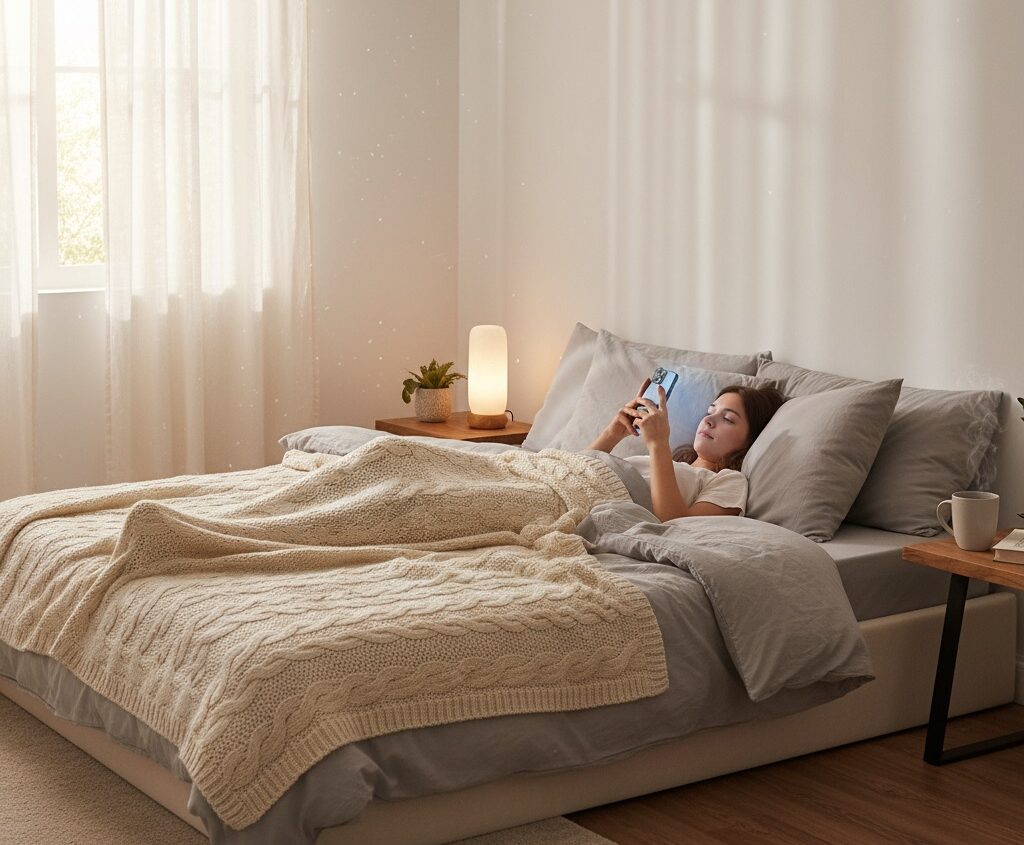
At its core, bed-rotting is exactly what it sounds like: staying in bed for extended periods of time, often with no particular agenda. People scroll through their phones, binge-watch shows, read, nap—or just lie there.
The term gained traction on platforms like TikTok, where young users (especially Gen Z) began posting videos romanticizing lazy, cozy days spent under the covers. It quickly became a viral phenomenon, tagged with captions like “bed rotting for self-care” or “my bed is my safe space”.
Far from being a new behavior, the concept echoes earlier self-care trends—but the framing is different. This time, it’s not about optimizing, it’s about opting out.
Why this trend resonates now
There’s a reason bed-rotting is resonating with millions—particularly among younger generations:
- Burnout culture
After years of hustle culture, toxic productivity, and back-to-back global stressors (pandemics, economic anxiety, social pressure), many people feel drained. They don’t want another tip for doing more. They want permission to do less.
- A response to perfectionism
In an overly curated world of achievement and aesthetics, bed-rotting is radically imperfect. It’s messy, slow, and unapologetic. For many, it feels like a necessary rebellion.
- Rising mental health awareness
Conversations around depression, anxiety, and overstimulation have grown louder. In some cases, bed-rotting is a lighthearted way to acknowledge mental fatigue.
“It’s a quiet protest,” one TikTok creator said. “I don’t want to be productive today. I want to be horizontal, wrapped in my duvet, and unreachable.”
Is it good for sleep?
Now comes the big question for readers of Calm Sleeply:
Does bed-rotting help or hurt your sleep quality?
It depends on when and why you do it.
Short-term bed-rotting, like a weekend reset or mental health break, can be helpful for recharging your nervous system.
But doing it regularly, especially late in the day or for hours without moving, may disrupt circadian rhythms and confuse your sleep cues.
When you spend too much inactive time in bed, your brain may begin to associate your bed with wakefulness, not sleep. This is the opposite of what sleep specialists recommend.
Tip:
If you’re going to bed-rot, do it consciously and in daylight hours, then get out of bed for your evening wind-down and bedtime.
Bed-rotting vs. depression: know the difference
While social media often portrays bed-rotting as cute and cozy, it’s important to distinguish between restful inactivity and depressive withdrawal.
Warning signs it’s not just a break:
You feel emotionally numb or hopeless
You’re avoiding responsibilities entirely
Bed-rotting becomes your only coping mechanism
You feel worse after doing it—not better
In these cases, what might look like therapeutic laziness could be a sign of burnout, depression, or executive dysfunction. If that resonates with you, consider speaking to a mental health professional.
Rest shouldn’t make you feel more stuck. It should help you return to life with more ease.
Is “doing nothing” a form of self-care?
Absolutely—if it’s done intentionally.
In Western culture, rest is often viewed as laziness or lack of ambition. But rest is biologically necessary and mentally restorative. That’s why trends like “bed-rotting” speak to a deeper need for permission to stop striving.
Psychologists note that intentional stillness can:
Lower cortisol (stress hormone)
Reset overstimulated brains
Reduce decision fatigue
Improve emotional regulation
But like anything else, balance is key. Intentional rest isn’t about avoiding life, it’s about pausing to meet it with more presence.
Internet therapy or real rest?
Social media is excellent at normalizing behaviors—but it can also blur the lines between healthy and harmful.
When creators glamorize bed-rotting, they may inadvertently promote stagnation, especially for viewers already struggling with motivation or loneliness.
And while it’s comforting to know you’re not alone, scrolling in bed for hours often leads to poor sleep hygiene, increased blue light exposure, and mental overstimulation.
Rest ≠ scrolling TikTok for 5 hours in bed with the lights on.
To make rest restorative, unplugging is often necessary.
More about Why your brain needs rest in article.
Tips for intentional, healthy rest
If you’re drawn to the idea of bed-rotting, try replacing it with intentional slow rest, such as:
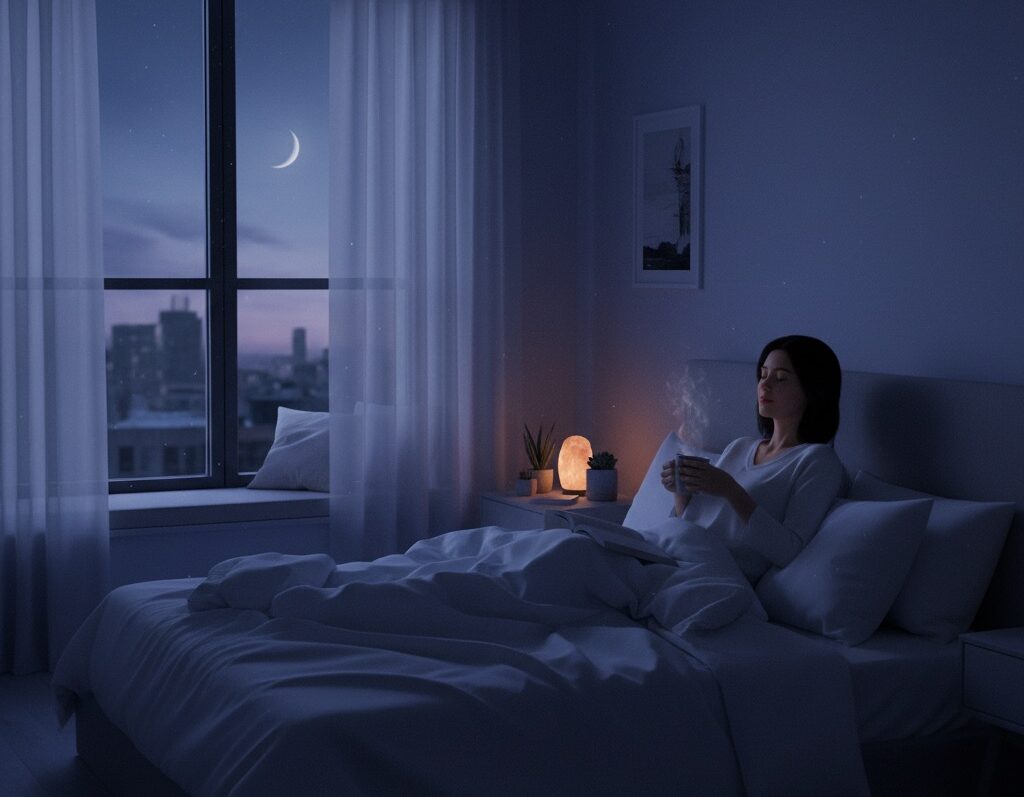
Reading in natural light with tea
Listening to ambient music while journaling
Napping with blackout curtains and a sleep mask
Breathwork or body scan meditation under a weighted blanket
Watching a comfort show in soft light — but for a set amount of time
Make your bed a safe space, not an all-day headquarters.
How to know when to rest and when to reset
Not sure if you need more bed time or more movement?
Ask yourself:
Do I feel better after lying in bed for a while?
Am I consciously choosing rest, or avoiding life?
Would a 10-minute walk help me more right now?
Am I still maintaining my sleep schedule?
Your answers will guide you. Rest is powerful—but only when it’s paired with awareness.
Conclusion: redefining rest without guilt
The bed-rotting trend might look like aimless laziness—but for many, it reflects a cultural craving for softness, stillness, and recovery.
Instead of judging it, we can learn from it. We can give ourselves permission to pause, to do nothing, and to rest in ways that truly restore us.
Just remember:
Use your bed for rest and sleep — not as a hiding place from life.
Great sleep doesn’t come from lying in bed all day. It comes from living with more balance, intention, and kindness toward your own energy.
Read also: