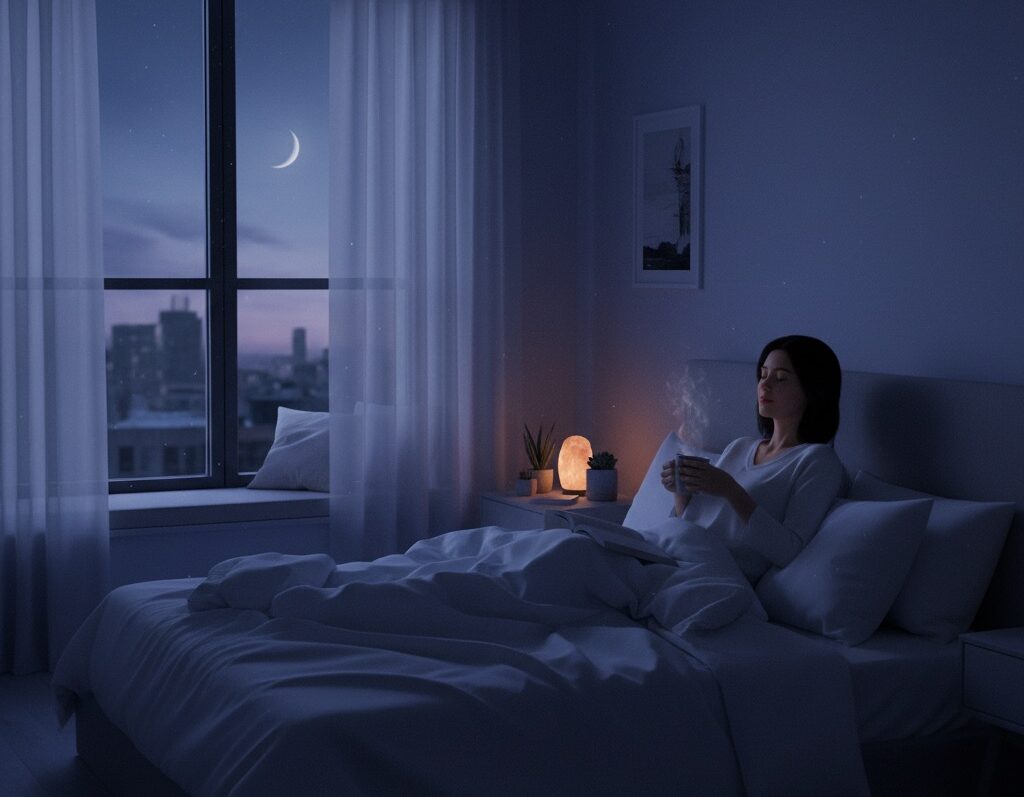
Can’t fall asleep because your mind won’t slow down? Try Deep Breathing today.
You’re not alone. In a world of late-night scrolling, busy thoughts, and racing hearts, learning how to breathe — really breathe — might be your best sleep tool.
Why relaxation before sleep matters
Good sleep isn’t just about what time you go to bed. It’s also about how you get there.
When your body is tense or your mind is overactive, falling asleep can feel impossible — even if you’re exhausted.
That’s where deep breathing comes in.
Unlike sleeping pills or complicated routines, deep breathing is free, natural, and always available. It activates your body’s natural relaxation response and helps you gently shift from stress to rest.
What is deep breathing?
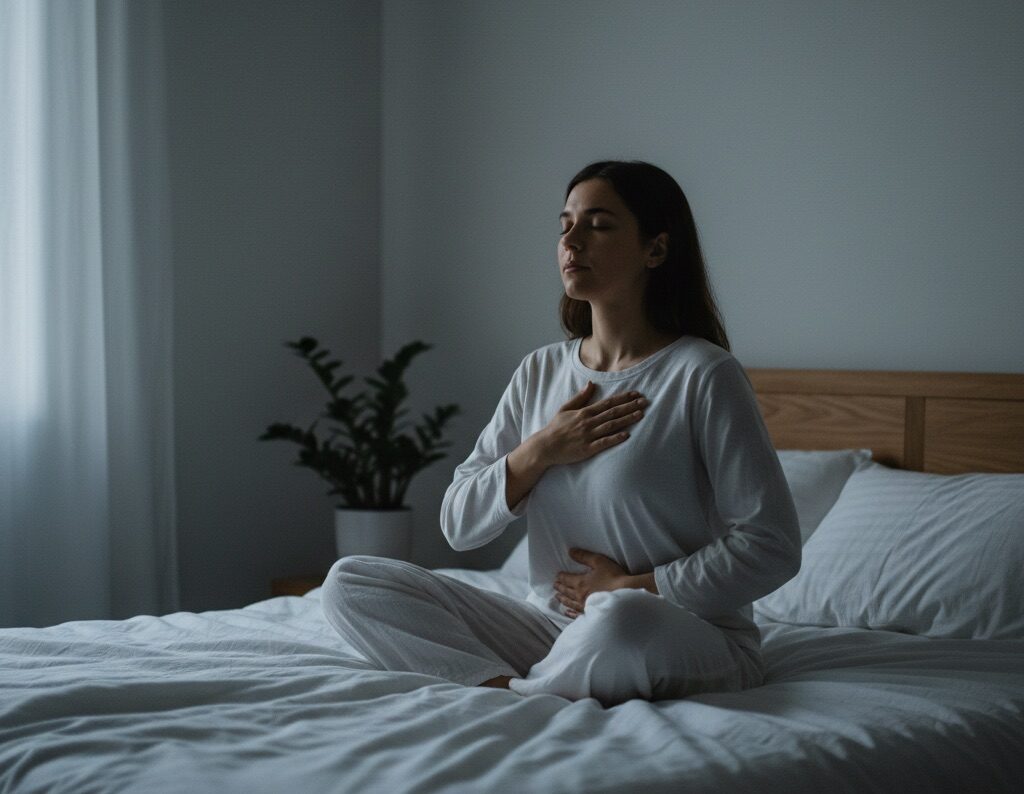
Deep breathing (also known as diaphragmatic breathing or belly breathing) is a simple technique that slows down your breath, reduces tension, and signals your nervous system that it’s safe to relax.
Unlike shallow chest breathing (which we often do when stressed), deep breathing draws air fully into your lungs, expanding your diaphragm and calming your whole body.
How deep breathing helps you sleep
Here’s what happens when you breathe deeply before bed:
Activates the parasympathetic nervous system (“rest and digest”)
Lowers heart rate and blood pressure
Reduces cortisol (stress hormone)
Helps quiet racing thoughts
Creates a calming bedtime ritual
According to the Sleep Foundation, even a few minutes of deep breathing can make it easier to fall asleep — and improve sleep quality over time.
A simple deep breathing exercise (Try it tonight)
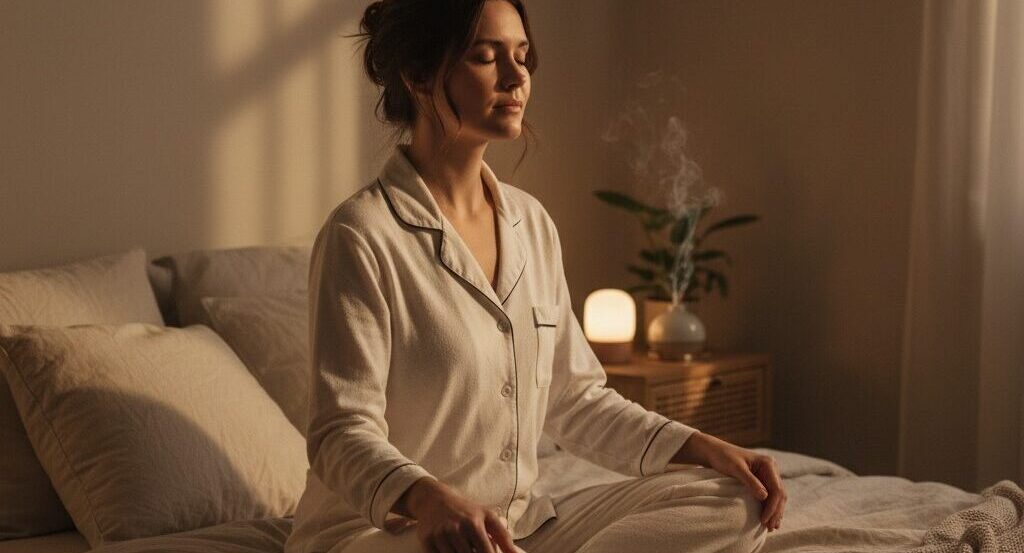
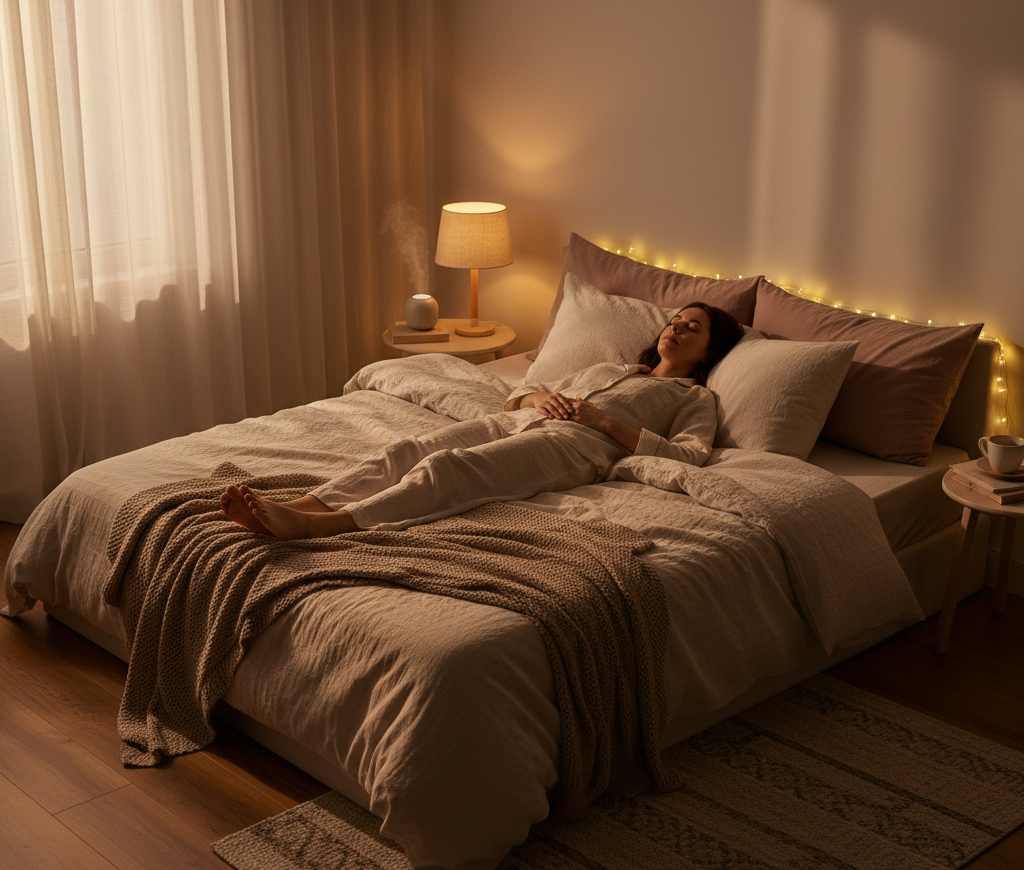
You can do this while lying in bed, sitting on the edge of your mattress, or even while brushing your teeth. Here’s a basic version to try:
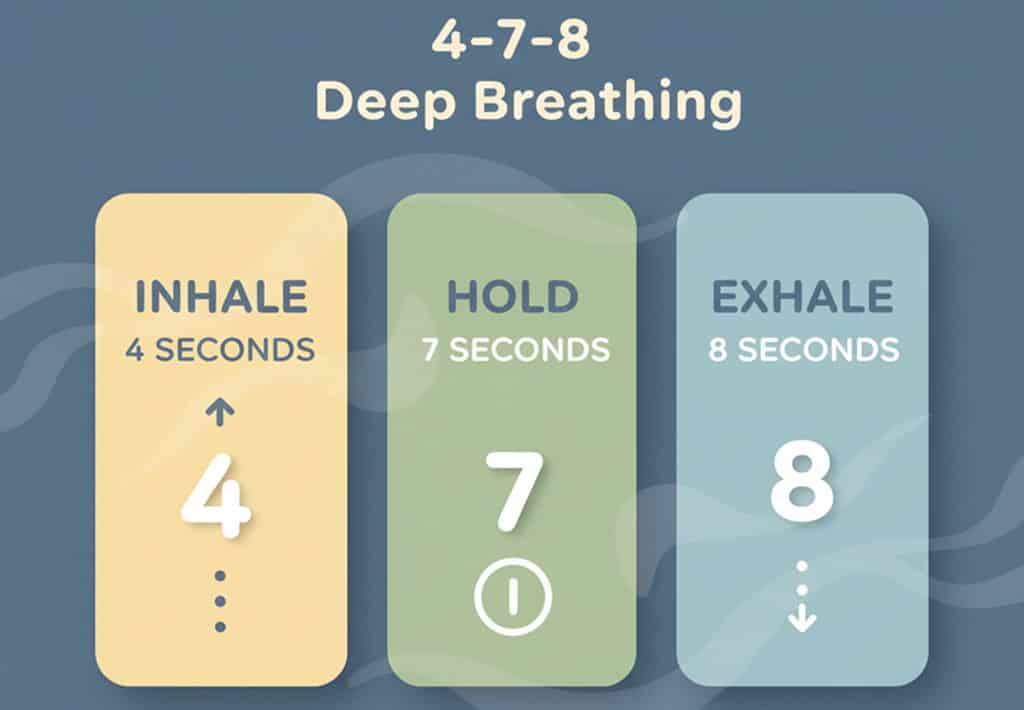
The 4-7-8 Method:
Inhale slowly through your nose for 4 seconds
Hold your breath for 7 seconds
Exhale gently through your mouth for 8 seconds
Repeat for 4–6 rounds
If the timing feels too long, adjust it. What matters is slow, steady breathing and full attention.
Tip: Place one hand on your belly. It should rise as you inhale and fall as you exhale.
When and how to practice
For better results, try deep breathing:
10–20 minutes before bedtime
After turning off screens
As part of your wind-down routine (e.g. after a warm shower or journaling)
Whenever you feel anxious at night
The key is consistency, not perfection. Even 3–5 minutes can make a difference.
Common mistakes to avoid
Breathing too fast or forcefully — aim for gentle and natural
Expecting instant results — it may take a few nights to feel the effect
Multitasking — give yourself a few quiet minutes without distraction
Judging yourself — there’s no “wrong” way, just stay with it
Make it part of your sleep routine
Deep breathing works best when it becomes a part of your evening rhythm — like brushing your teeth or turning off the lights. The more you practice, the easier it becomes to enter a calm state at night.
Combine it with other relaxing habits:
Light stretching
Soothing music or white noise
Aromatherapy
Evening journaling
You don’t need to “try harder” to fall asleep. You need to let go — and deep breathing helps you do just that.
Real-life tip: create a breathing cue
Sometimes, just remembering to breathe deeply is the hard part. Try creating a nighttime breathing cue — something simple that reminds you to pause and breathe.
For example:
Light a candle and take three deep breaths
Lay down and place a pillow on your belly to feel your breath
Set a reminder on your phone that says “Breathe before bed”
These cues gently anchor your new habit into your routine.
Final thoughts: breathe, don’t force it
You don’t need a perfect technique or 20 minutes of silence.
You just need a few calm breaths — and the willingness to slow down.
Improving your sleep isn’t about doing more.
It’s about doing less, and doing it with intention.
Start with your breath.
Tonight.