Sleep tourism: the growing trend of sleep retreats and “sleep vacations”
When was the last time you came back from a vacation feeling truly rested?
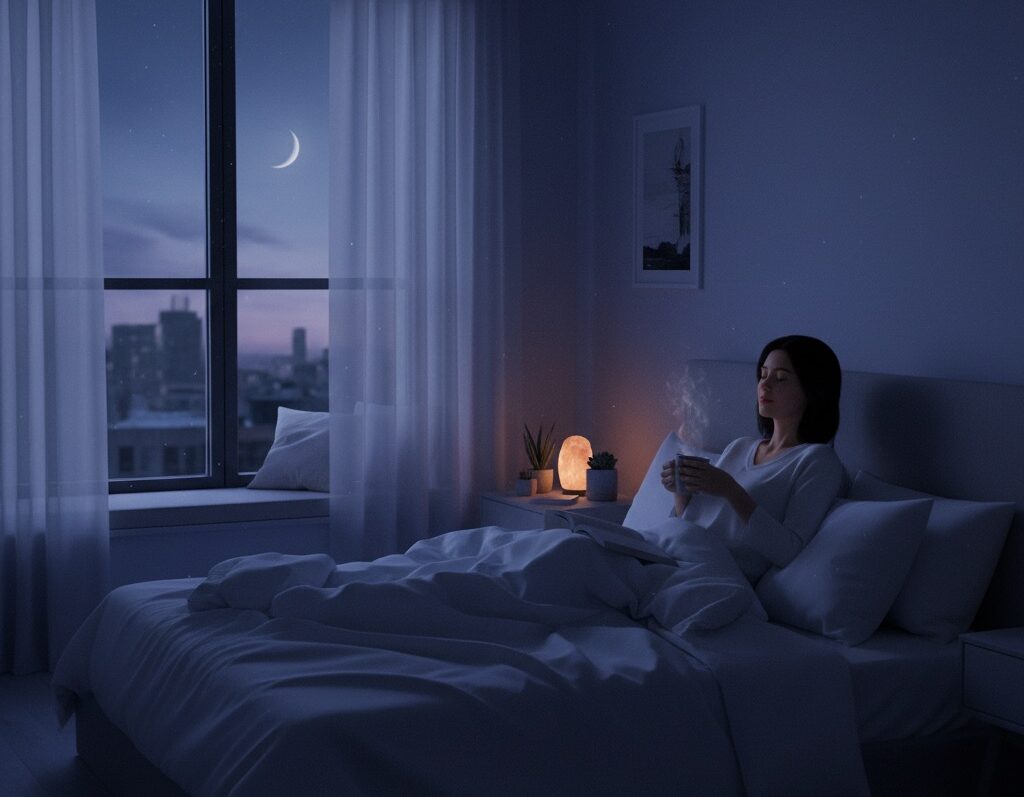
For many of us, travel means early flights, late dinners, and packed itineraries. But a new wellness trend is shifting the focus: sleep tourism — where the goal isn’t to do more, but to rest better.
From luxury sleep retreats to “do-nothing” vacations designed around high-quality rest, sleep tourism is gaining momentum around the world. Let’s explore what it is, why it’s growing, and whether it might be exactly the break your body and mind are craving.
What is sleep tourism?
Sleep tourism is a form of travel where the primary goal is to improve or prioritize sleep. It involves destinations, accommodations, or experiences specifically designed to support better rest — often blending wellness, science, and lifestyle.
This can include:
Dedicated sleep retreats with expert guidance
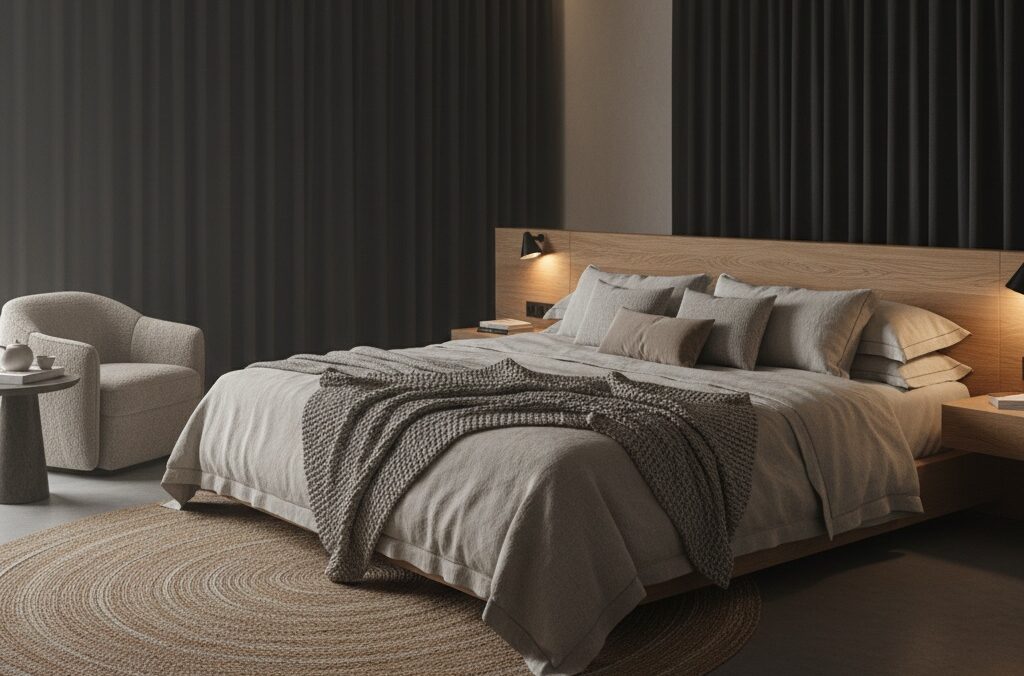
Hotels offering sleep-focused rooms with blackout curtains, white noise, aromatherapy, and cooling beds
Spa resorts with restorative treatments and bedtime rituals
Nature getaways focused on digital detox and circadian rhythm reset
Rather than seeing sleep as just part of the trip, it becomes the centerpiece.
Why is sleep tourism trending?
Several global trends have made this concept not only appealing but necessary:
1. Chronic sleep deprivation
Burnout, screen time, stress, and busy lifestyles have left many people running on empty. Travel that offers deep recovery is in high demand.
2. Wellness travel boom
The wellness industry continues to grow — and sleep is now seen as a cornerstone of wellbeing, alongside nutrition and fitness.
3. Post-pandemic shifts
After years of health anxiety and disrupted routines, travelers are seeking slower, restorative escapes — not high-energy sightseeing.
4. Luxury redefined
Instead of flashy amenities, many people now value peace, stillness, and high-quality rest as the ultimate luxury.
What happens at a sleep retreat?
Sleep retreats vary in style and intensity, but they often include:
Sleep consultations with specialists or coaches
Personalized sleep plans (routines, nutrition, tech use)
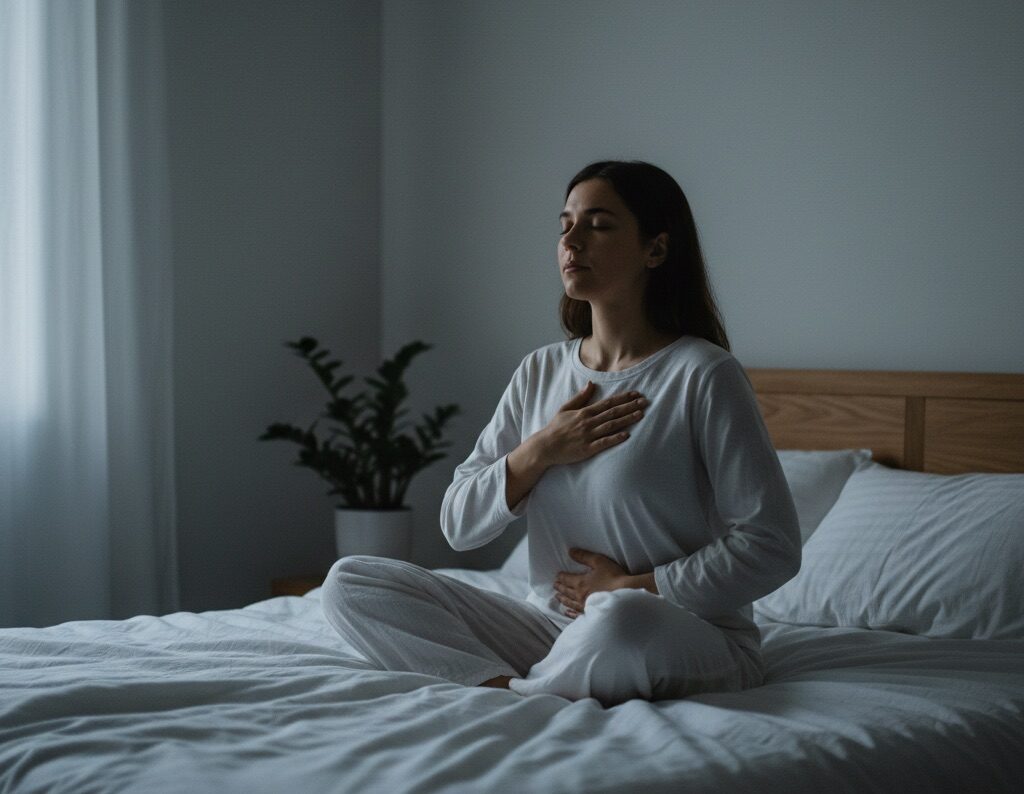
Breathwork, yoga, and meditation for relaxation
High-end sleep environments with optimal lighting, scent, and temperature
No-device policies to encourage digital detox
Educational workshops on sleep science and habits
Some retreats are immersive and holistic, while others are more casual — offering a few supportive elements without a strict schedule.

Popular sleep tourism destinations
Here are just a few real-world examples of sleep-focused travel experiences:
1. Six Senses Sleep Program (Global)
Luxury resorts offering personalized sleep consultations, sleep-optimized villas, and bedtime rituals with natural therapies.
2. The Zedwell Hotel, London
A hotel entirely designed around sleep, with soundproof rooms, air purification, and no windows or distractions.
3. Kamalaya Wellness Sanctuary, Thailand
Offers sleep enhancement programs including acupuncture, massage, stress relief, and herbal support.
4. Rosewood Hotels “Alchemy of Sleep”
Global campaign featuring sleep coaches, meditation, and calming treatments in beautiful natural settings.
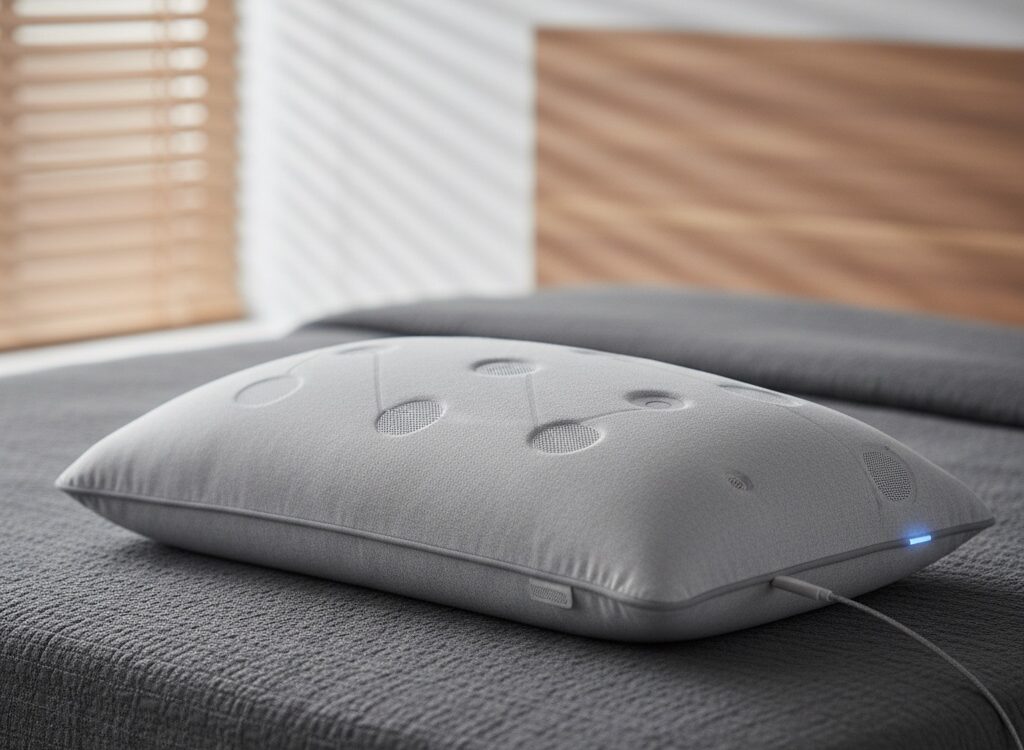
Many hotels now offer “sleep packages” as part of their wellness offerings — complete with custom pillows, aromatherapy, and sleep-tracking tools.
What are the benefits of a sleep vacation?
Sleep tourism isn’t just indulgent — it can be genuinely restorative:
Helps reset circadian rhythms disrupted by modern life
Encourages digital detachment and mental clarity
Supports nervous system recovery through deep rest
Introduces new healthy sleep habits that you can take home
May reduce symptoms of burnout, fatigue, or chronic stress
For many people, stepping out of their daily routine is what finally allows their body to rest deeply.
Who is it for?
Sleep tourism may be especially helpful for:
Entrepreneurs, parents, or professionals with high stress
People recovering from burnout or chronic fatigue
Anyone struggling with insomnia or poor sleep hygiene
Wellness travelers looking for slow, intentional experiences
Couples or friends seeking a “quiet” getaway
How to create your own mini sleep retreat
You don’t need a luxury spa or international flight. Try a DIY version at home or during a weekend getaway:
Choose a location with quiet and nature (even a nearby cabin)
Plan nothing but rest, walks, and light activities
Bring relaxing items: a journal, calming tea, weighted blanket
Avoid screens after sunset — bring a book or podcast
Follow a simple sleep-supportive routine (dimming lights, warm bath, breathing)
Sleep tourism is less about where you go — and more about how you allow yourself to rest.
Final thoughts
Sleep is no longer seen as something to squeeze in between adventures. In fact, it is the adventure for many people.
Whether you’re checking into a luxury sleep retreat or simply creating a quiet weekend for yourself, sleep tourism offers something modern life often lacks: permission to rest.
In a world that rewards hustle, reclaiming your rest might just be the most radical act of wellness.