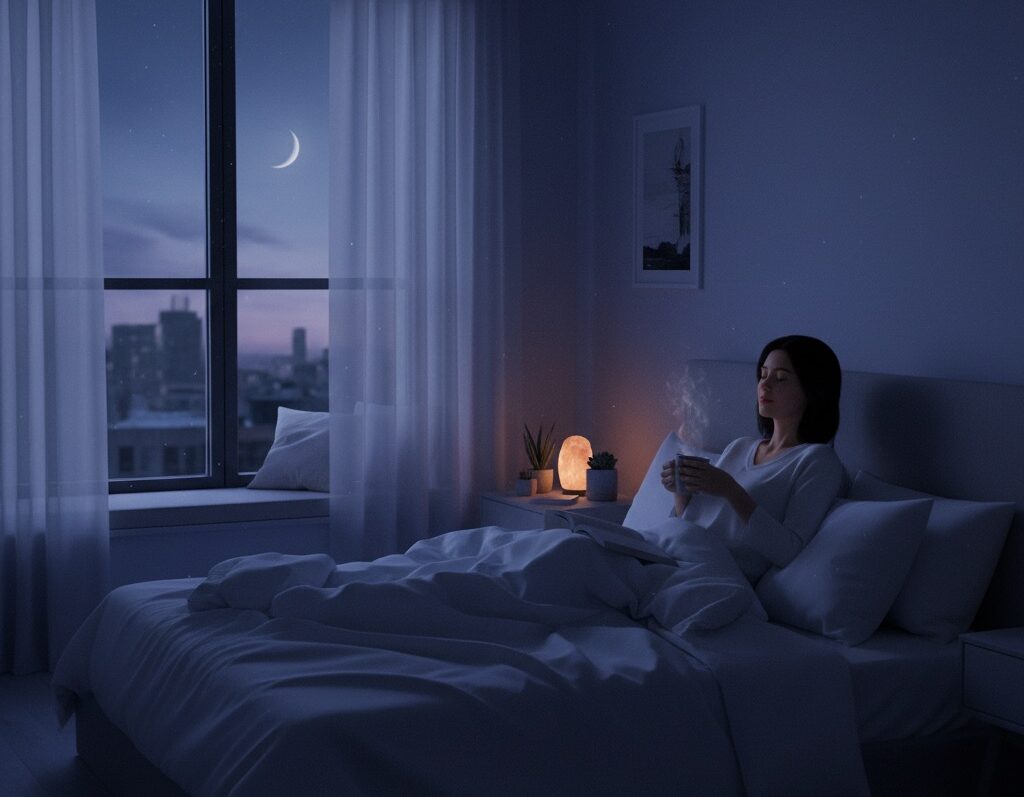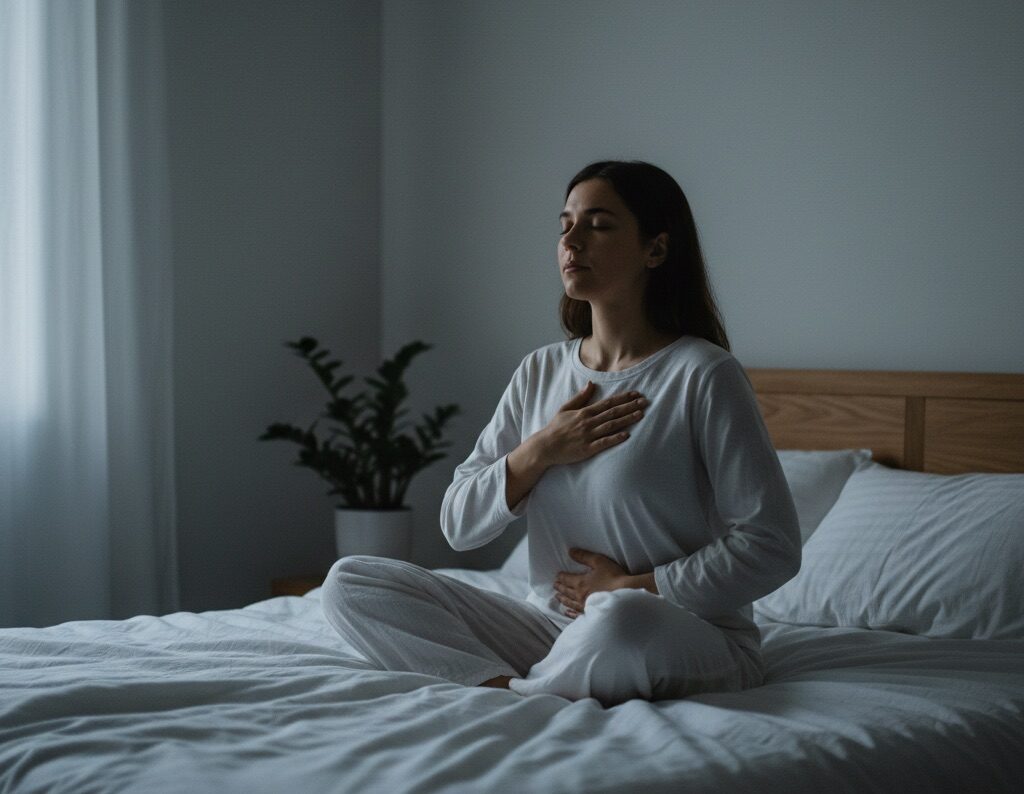
Sleepmaxxing is the latest trend among wellness enthusiasts, productivity hackers, and anyone trying to feel and function better. But what exactly does it mean?
At its core, sleepmaxxing is about optimizing your sleep — not just getting more of it, but getting better quality sleep through tools, habits, and environment upgrades.
From high-tech rings to cold plunges and light therapy, everyone seems to have a “hack.” But which ones actually help you sleep better — and which are just hype?
Let’s break it down.
What is Sleepmaxxing?
Sleepmaxxing is a modern term that combines “sleep” + “maximizing”. It’s the practice of using science-backed habits, environmental changes, and sometimes tech or supplements to improve the quality of your sleep — not just the quantity.
People who practice sleepmaxxing aim to:
Fall asleep faster
Sleep more deeply
Reduce waking up during the night
Feel more refreshed in the morning
Support mental focus and emotional balance
And while the term may sound intense, at its core it’s about making sleep work better for your life — one step at a time.
What actually works
Here are real strategies and tools that can make a noticeable difference in your sleep:
1. Consistent sleep-wake time
Your body has a built-in clock (circadian rhythm). Going to bed and waking up at the same time — even on weekends — strengthens this rhythm and helps regulate melatonin.
Try to go to bed and wake up within the same 30-minute window every day.
2. Evening digital detox
Blue light from screens delays melatonin. Even more than that, scrolling stimulates your brain when it should be winding down.
Turn off screens at least 30–60 minutes before bed. Use that time for relaxing rituals like journaling, stretching, or a short walk.
3. Cooler bedroom temperature
The body needs to drop in temperature to fall asleep. The ideal bedroom temperature is usually around 60–67°F (15–19°C).
If your bedroom is warm, consider using a fan, breathable bedding, or even a cooling mattress pad.
4. White noise or nature sounds
For people sensitive to noise, consistent ambient sounds can help reduce wake-ups caused by sudden noise shifts.
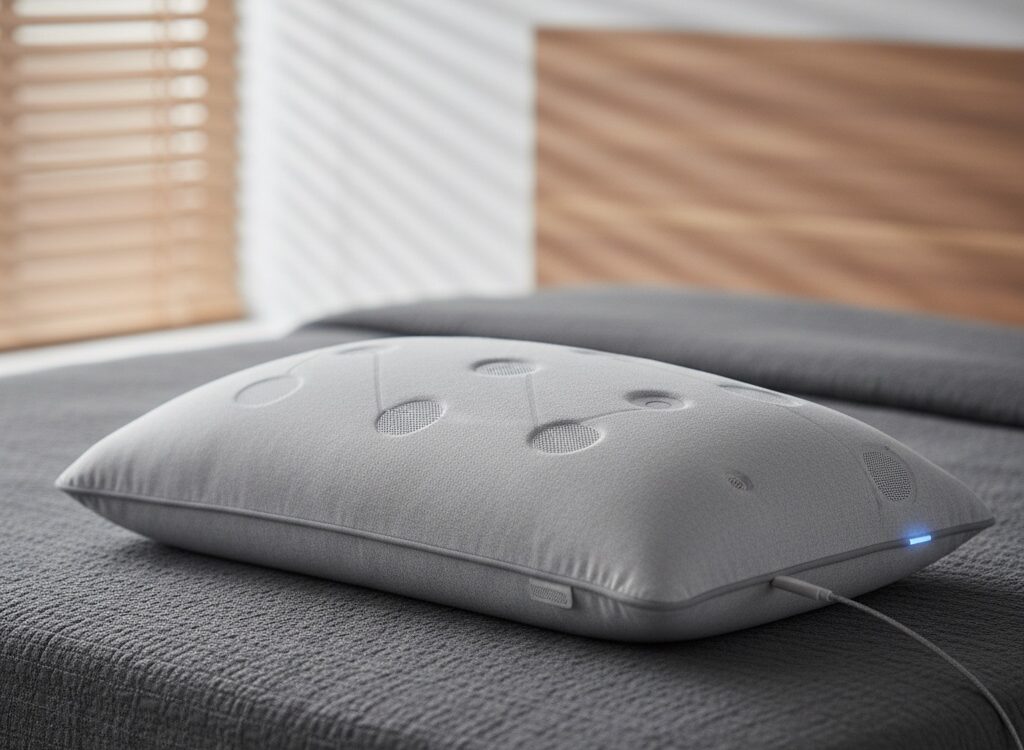
Apps or devices like white noise machines or apps like Calm or Hatch Restore 2 offer gentle soundscapes that support sleep.
5. Avoiding caffeine after 2 PM
Caffeine has a half-life of 5–7 hours. That afternoon coffee may still be in your system when you’re trying to sleep.
Switch to herbal tea, water, or decaf after lunch.
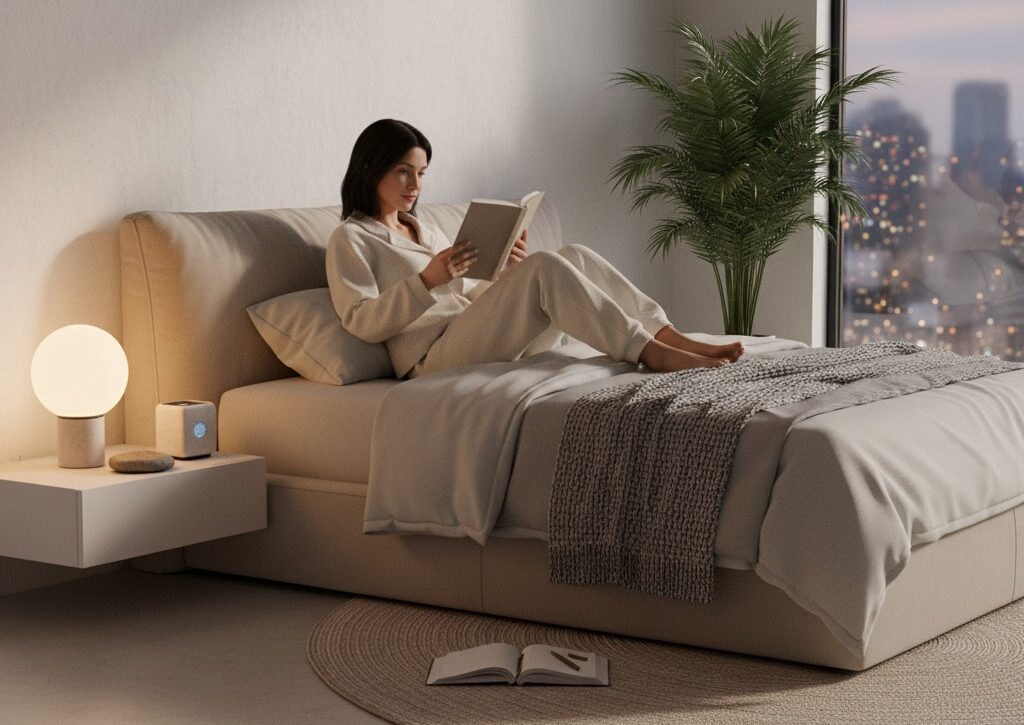
6. Creating a wind-down routine
A predictable evening routine signals your body it’s time to shift into rest mode.
This could include:
Dimming the lights
Doing light stretching
Reading fiction
Evening journaling
Listening to calming music
Routines are the foundation of real sleep optimization — more than any gadget.
What’s mostly hype
Not every “sleep hack” lives up to the buzz. Here are a few trends that may be overhyped — or not for everyone.
1. Tracking sleep with smart rings or watches
Devices like Oura Ring or Apple Watch can show trends — but they don’t improve your sleep by themselves. In fact, some users develop “sleep anxiety” by obsessing over data.
If you find tracking helps you stay consistent, great — but don’t rely on the numbers more than your own body.
2. Cold exposure before bed
Cold showers or plunges can improve alertness, but they may stimulate you before bed. For some, it works — for others, it delays sleep.
If you want to try it, do it at least 2 hours before bedtime.
3. Too many supplements
Magnesium, melatonin, CBD… there are many products claiming to support sleep. While some can help short-term, they’re not a fix for poor habits.
Supplements should support, not replace, healthy sleep behaviors. And always talk to a healthcare professional before starting anything new.
How to start Sleepmaxxing — the healthy way
You don’t need a ring, red light therapy, or a $500 mattress topper to start sleeping better and practice Sleepmaxxing.
Try this gentle, realistic approach:
Set a consistent sleep schedule — even on weekends
Create a no-screen zone 30–60 minutes before bed
Keep your bedroom cool, dark, and quiet
Use a calming wind-down routine
Track your energy, not just sleep data
Add tools only if they help (not stress you out)
Good sleep comes from consistent, repeatable behaviors — not overnight hacks.
Final thought
Sleepmaxxing doesn’t have to be extreme. It’s not about being perfect — it’s about creating conditions where your body and mind can rest, recharge, and restore.
Start with one habit. Build from there.
Better sleep isn’t about doing more — it’s about doing what matters, consistently.